
- BBB A+
- Owens Corning Preferred
- EPA Lead-Safe
- EIFS Certified
- Licensed & Bonded
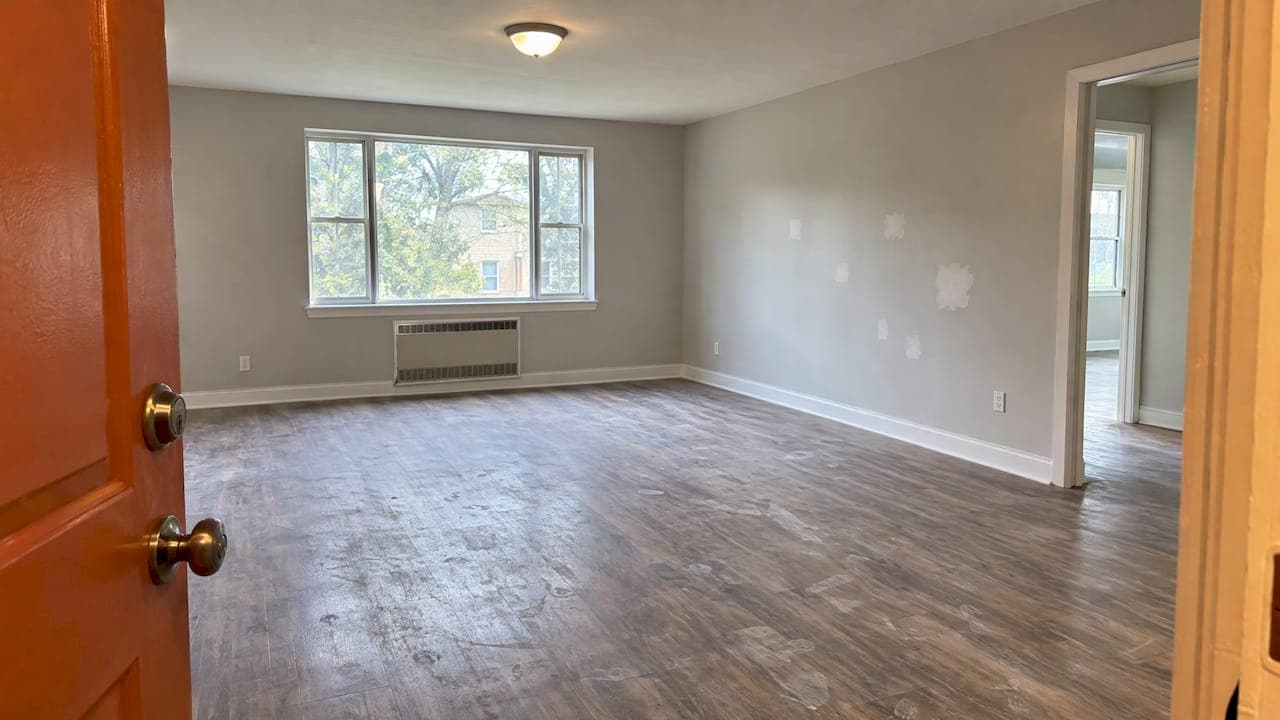
Apartment Turnover Checklist: A Room-by-Room Make-Ready Guide

An apartment turnover checklist is the task list you use to take a unit from move-out to rent-ready: inspect, document, remove debris, repair, paint, clean, then verify before the keys change hands. The version below follows the order the work actually happens in, covers every room and system, and adds the Baltimore-area details that generic templates skip. Print it, paste it into your property management software, or hand it to your maintenance lead and contractor.
TL;DR
- Start the turn at notice, not at move-out. A pre-move-out inspection lets you book vendors before the unit is empty.
- Work in sequence: inspect and document, trash-out, locks, repairs, paint, cleaning, flooring, final readiness inspection.
- Check every room, but give extra attention to water: under-sink plumbing, caulking, ceiling stains and anything that suggests a roof or window leak.
- In Maryland, security-deposit paperwork has hard deadlines, so your move-out photos and repair costs need to be organized from day one.
- When a unit needs more than paint and cleaning (drywall, flooring, cabinets, plumbing, a leak), one licensed contractor is faster than coordinating five vendors.
Table of Contents
- What a turnover checklist is for
- How long a turn should take
- The turnover timeline, in order
- Room-by-room apartment make-ready checklist
- Paint, patch and clean: where the days go
- Maryland and Baltimore details to build in
- What to verify before hiring a turnover contractor in Baltimore
- Our perspective
- When one contractor is faster than five vendors
- FAQ
- Sources
What a turnover checklist is for
The National Apartment Association describes the make-ready process as starting after move-out with an inspection of the apartment to assess the work needed before the next resident moves in. Breaking the work into services and tracking the status of each one helps organize the turn and reduces vacancy and maintenance expense.
That is the real value of a checklist. It does three things:
- It makes the turn repeatable. Whether you manage 12 units or 200, every unit gets the same standard.
- It creates a paper trail. Dated photos and itemized repair costs are what you need if a deposit is disputed.
- It shortens vacancy. Every day a unit sits empty is a day of lost rent, and most of the lost days come from waiting on a vendor or discovering a repair late.
How long a turn should take
According to ExactEstate’s 2026 leasing analysis, the average multifamily turn runs 5 to 10 days, while strong operators target 3 to 5. The same source puts the savings for operators who get down to that range at $75 to $250 per turn in avoided vacancy loss. The NAA guide notes that many operators use seven working days as an average guideline, with some aiming for five or three, and that the real number depends on the community’s age, how long the resident lived there and the condition they left the unit in.

In practice, the days are rarely spent on the work itself. They are spent waiting: for the painter who could not start until the drywall was patched, for the cleaner who could not start until the painter finished, for the plumber nobody called until the final walk-through. Sequencing is the lever.
The turnover timeline, in order
Before move-out: notice to last day
The turn starts when you receive notice, not when the tenant hands over keys. The Apartments.com turnover guide makes the same point: starting at notice lets you schedule vendors and repairs in advance and cut vacancy time.
- Send the move-out instructions and cleaning expectations in writing.
- Schedule a pre-move-out inspection. One operator-side source suggests doing it about 30 days before move-out so you can see the repairs coming and book vendors before the resident leaves.
- Order long-lead items now: appliances, specialty flooring, cabinet fronts, a replacement window.
- Start marketing the unit if your lease and local rules allow.
Move-out day: document everything
The NAA sequence after move-out is: inspect the apartment, remove trash, change the lock, paint, complete maintenance repairs, clean, clean or replace the carpet, then inspect for readiness. Use that order and add documentation at the front.
- Walk each room with the tenant if they request it (more on that in the Maryland section).
- Photograph every room, every wall, inside appliances, under sinks and inside closets, with the date visible.
- Separate normal wear and tear from tenant-caused damage. Avail’s landlord checklist recommends a room-by-room walk-through and recording repair costs for any deposit accounting.
- Collect keys, fobs, garage openers and mailbox keys, and write down how many came back.
Days 1 to 7: the make-ready sequence
- Trash-out. Remove abandoned items, debris and anything left in storage areas or on balconies.
- Rekey or change locks. Do this before contractors and vendors start coming and going.
- Repairs. Drywall, doors, fixtures, plumbing, electrical, HVAC service.
- Paint. After repairs cure, before cleaning.
- Deep clean. After paint, so you clean the dust once.
- Flooring. Clean or replace carpet last, after the heavy trades are out.
- Final readiness inspection. One person, one checklist, signed off.
Use a make-ready board to track all of it. The NAA recommends a board, either digital inside your management software or a physical whiteboard, that shows each vacant unit’s required tasks and their status. If you want to improve over time, also log days-to-ready per unit, per property and per vendor, so you can see where the delays actually sit.
Room-by-room apartment make-ready checklist
Published turn checklists agree on the main categories. A supplier’s turns checklist covers exterior lighting, doors and locks, kitchen appliances and under-sink plumbing, bathroom fixtures, drains and caulking, interior walls, windows, bedroom outlets, closet doors and mechanicals like HVAC filters and smoke detectors. The National Center for Healthy Housing’s unit-turn exercise adds electrical components, GFCI outlets, blinds, cabinets, flooring, keys and removal of trash and work materials. Here is a combined version you can adapt.
Entry, doors and locks
- Lock changed or rekeyed, deadbolt and strike plate tight
- Door closes, latches and seals without gaps
- Peephole, door stop and weatherstripping in place
- Exterior and entry lighting working
- Key count matches the log
Kitchen
- Refrigerator, range, hood and dishwasher cleaned and tested; interiors free of odor
- Under-sink plumbing checked for drips, rust, softened cabinet floors and active moisture
- Faucet, sprayer and disposal run; drain flows freely
- Cabinet doors, hinges and drawer slides adjusted or replaced
- Countertop chips, burns and failing caulk noted
- GFCI outlets tested near the sink
If cabinets are water-damaged or the layout is dated enough to hurt your rent, that is the point to price a kitchen remodel rather than patching again.
Bathroom
- Toilet seats firmly, flushes fully and does not run
- Tub and shower caulk intact; re-caulk anything cracked, black or peeling
- Drains clear, no slow drainage
- Exhaust fan runs and moves air
- Tile cracks, loose grout and soft spots near the tub noted
- Vanity, mirror, towel bars and GFCI outlet working
Soft flooring, a spongy wall behind the tub or repeat caulk failure usually means water is getting where it should not. That is a repair question, and sometimes a bathroom remodeling one, rather than a cosmetic one.
Living areas and bedrooms
- Walls and ceilings: holes, cracks, scuffs, stains, nail pops and any sign of water damage
- Windows open, lock and seal; screens present; blinds intact
- Outlets and switches work; cover plates present
- Closet doors, rods and shelving in place
- Flooring: scratches, staining, carpet wear, loose planks or transitions
When a stain is on the ceiling, treat it as a leak until proven otherwise. A brown ring under a top-floor unit can mean a failing roof membrane, flashing or a drain. Ask a roofer to look at the cause instead of painting over it. Our guide on fixing or replacing water-damaged drywall explains how to decide.
Mechanicals and safety
- HVAC filter replaced; system heats and cools; thermostat works; condensate line clear
- Water heater: no leaks, rust or pooling around the base
- Smoke detectors and carbon monoxide detectors tested, with fresh batteries where required. Avail’s and Matterport’s maintenance checklists both put detector testing, window and lock inspection and visible hazards such as mold, water damage and loose handrails on the must-check list
- Electrical panel labeled; no scorched outlets or flickering circuits
- Stair and balcony railings solid
HVAC, electrical and plumbing issues found here are the ones that stall a turn, because they need a licensed trade. We deliver HVAC and plumbing and electrical work through long-standing subcontractors, so those items sit on the same schedule as the rest of the job.
Common areas and exterior
- Hallway paint, lighting and flooring near the unit
- Balcony or patio surface, drainage and railings
- Gutters and downspouts discharging away from the building
- Entry stoops and walkways free of trip hazards
Paint, patch and clean: where the days go
Most turns are won or lost in three tasks.
Patching. Fill holes and cracks, sand, prime stains so they do not bleed through, and match texture. Anything bigger than a hand-sized patch, or any drywall that stayed wet, should be cut out and replaced, not skimmed.
Paint. A consistent color across units makes touch-ups and future turns faster. Paint after repairs, before cleaning, and let it cure before the carpet crew arrives. Our painting crews handle interior and exterior work.
Cleaning. Clean top to bottom: light fixtures, vents, cabinets inside and out, appliances, tile and grout, windows and tracks, then floors. If your maintenance staff are stretched, outside cleaning for property owners is a common way to keep the cleaning step from becoming the bottleneck. Schedule it for the day after paint is dry to the touch, and book it before move-out so it does not wait on you.

Maryland and Baltimore details to build in
Generic templates do not mention local rules. These are the points to put on your Baltimore-area checklist.
Security deposit timing
According to People’s Law Library of Maryland, a tenant can request a move-out inspection by certified mail at least 15 days before moving, and the landlord must then inspect within 5 days before or after the intended move date and notify the tenant of the date in writing. The landlord must give a written list of charges and actual costs taken from the deposit within 45 days after the end of the tenancy. That is why dated photos and itemized invoices belong in your turn file, not just in your head.
Rental licensing, lead and city requirements
Baltimore City and Baltimore County each have their own rental licensing and inspection rules, and lead-paint requirements apply to older housing. Confirm the current requirements, fees and inspection schedule with the Baltimore City Department of Housing and Community Development or your county permits office before you list a unit, and put the renewal date on your calendar. Do not rely on an old template for this.
Weather and water
Baltimore-area buildings take thunderstorms, nor’easters and freeze-thaw cycles. Every turn is a chance to inspect for what the previous tenant never reported: ceiling stains, window leaks, damp basement-level units, clogged gutters. A vacant unit is also the cheapest moment to fix them, because no one is living around the work. Water found during a turn belongs with water damage restoration or waterproofing, not paint.
What to verify before hiring a turnover contractor in Baltimore
A contractor that can take the whole turn off your plate is worth having, but check the basics first.
- License. Residential home improvement work in Maryland is licensed through the Maryland Home Improvement Commission. Ask for the license number and look it up on the state’s lookup tool before you sign.
- Insurance and bonding. Ask for a current certificate of insurance naming your property, and confirm bonding if the work is large or publicly funded.
- Scope in writing. Ask for an itemized estimate by unit and by room, not a single lump figure.
- Turn-time commitment. Ask how many working days they need for a standard unit and what happens when they find hidden damage.
- Multi-trade capability. Painting, drywall, flooring, plumbing, electrical and HVAC in one scope means fewer handoffs.
- Documentation. Before and after photos per unit, delivered with the invoice.
- Local references. Ask for property managers they have worked for in Baltimore City and the county, and call them.
Our perspective
We see the same pattern in unit after unit: the turn goes wrong because the first walk-through was rushed. A tenant moves out, someone paints, and three weeks later the new resident finds a stain bleeding through the ceiling paint. The stain was there on day one. It was a roof or plumbing problem that a 10-minute look with a flashlight would have caught.
Our approach comes from roofing, where we have worked since 2013 and where owner Chuck Hinkel has close to 31 years in the trade. We inspect first, show you the evidence and give you an itemized estimate, then carry the work through. Because we are a licensed general contractor with an in-house crew of roughly 13 to 17 plus long-standing subcontractors, a unit that needs drywall, paint, a bathroom fix and an HVAC service call does not need four phone calls. About 40 percent of our work is commercial, including apartment and multi-unit turnover, and that shapes how we schedule: sequence the trades so no one waits on anyone.
My advice to any property manager: spend the extra half hour on the pre-move-out inspection. It is the cheapest hour in the whole turn.
— Charles Hinkel
When one contractor is faster than five vendors
If your turns are mostly paint and clean, your maintenance team and a cleaner can handle them. The picture changes when units come back with water damage, failing bathrooms, worn kitchens, damaged framing or a roof leak above the unit. At that point, coordinating separate trades is what adds days.
Magnum Home Services handles apartment and multi-unit turnover for Baltimore City, Baltimore County and nearby Harford and Anne Arundel communities, from cosmetic make-readies to full rehab and renovations. We also work on commercial roofing, church repairs and Baltimore City DHCD housing rehab programs, so we understand the paperwork that comes with multi-unit and grant-funded properties.

To walk a unit or a building with us and get an itemized estimate, start at our commercial services page.
FAQ
What is the difference between an apartment turnover checklist and a make-ready checklist?
In practice, they are the same thing. “Turnover” describes the whole event of one resident leaving and another arriving, while “make-ready” or “unit turn” usually refers to the repair, paint and cleaning work in between. Most managers use one list for both, with the inspection and documentation steps at the front.
How many days should an apartment turn take?
The average multifamily turn takes 5 to 10 days, and well-run operations aim for 3 to 5, according to ExactEstate’s 2026 analysis. The NAA’s guide cites seven working days as a common benchmark. Pre-move-out inspections and vendors booked before the resident leaves are the biggest time savers.
Can I charge a tenant for repairs found during the turn?
Only for damage beyond normal wear and tear, and in Maryland you must give the tenant an itemized list of actual costs within 45 days after the tenancy ends. Photos from move-in and move-out, plus invoices, support the charges. If you are unsure whether an item counts as wear and tear, check with your attorney.
What should I check first when I walk a vacant unit?
Look for water: ceiling stains, soft spots near tubs and sinks, musty odor, window sills with staining. Then test smoke and carbon monoxide detectors, locks and windows. Safety and water issues change your schedule and your budget, so find them before you book painters.
Do you handle turnovers for properties in Baltimore City?
Yes. We serve Baltimore City, Baltimore County and nearby Harford and Anne Arundel communities, and our commercial work includes apartment and multi-unit turnover. Send us the unit count and the scope you need and we will schedule a walk-through.
Sources
- Apartment Turnover, National Apartment Association (2025)
- Multifamily Leasing: Cutting Days-on-Market in 2026, ExactEstate
- Nine Step Apartment Turnover Checklist, Apartments.com
- Apartment Turnover Checklist for Landlords, Avail
- Turns/Make Ready Checklist, Chadwell Supply
- Exercise 8: Unit Turnover Checklist, National Center for Healthy Housing
- Apartment Turnover Checklist for Maintenance Teams, Matterport
- Security Deposits, People’s Law Library of Maryland
Recommended
Free, no-pressure inspections across Towson & Baltimore County.
Keep Reading
More from the blog
Free Estimate
Get your free, no-pressure roof estimate
Tell us what's going on and we'll call you within one business hour. Same-week appointments available across Baltimore County.
- BBB A+
- Owens Corning Preferred
- EPA Lead-Safe
- EIFS Certified
- Licensed & Bonded