
Blog
Homeowners: Permit Required? Choose a General Contractor Not a Handyman
- BBB A+
- Owens Corning Preferred
- EPA Lead-Safe
- EIFS Certified
- Licensed & Bonded

If your project needs a building permit or touches multiple licensed trades, hire a general contractor; for small, non-permitted repairs, a handyman is usually faster and cheaper. That single test, permit or no permit, settles most hiring decisions before a single bid comes in. We see this question often, and Chuck Hinkel’s three decades in the trade back up the rule of thumb below.
TL;DR:
- Projects involving multiple trades, permits, or structural work require a licensed general contractor rather than a handyman.
- Handymen commonly charge $50 to $125 per hour for small, non-permitted repairs that often take an afternoon to complete.
- A general contractor charges a 15% to 25% markup and manages permits, subcontractors, and code compliance for larger, multi-trade projects.
- Verifying licensing, insurance, references, and clear scope agreements is essential regardless of hiring a handyman or a general contractor.
- A hybrid approach is appropriate when structural or permitted work is separated from cosmetic finishing, with clear boundaries and timing.
Table of Contents
- Quick decision checklist: which pro should you call?
- What a handyman typically does (and where the job ends)
- What a general contractor does and when you need one
- Costs, timelines and tradeoffs: handyman vs general contractor
- How to vet and hire safely, whichever pro you choose
- When splitting the job between both pros makes sense
- What 30 years in the trade teaches about this decision
- A note from Chuck Hinkel
- When a licensed general contractor is the right call
- FAQ
- Sources
Quick decision checklist: which pro should you call?
Before you pick up the phone, run your project through a few yes-or-no questions. They take less time than reading a single contractor review, and they will save you from hiring the wrong person for the job.
- Permit required? If yes, you need a licensed general contractor, not a handyman.
- More than one trade involved (electrical, plumbing, framing)? That points to a general contractor who can coordinate subcontractors.
- Structural changes, like removing a wall or altering the roofline? Always a general contractor.
- Timeline over two to three weeks or a multiphase scope? A general contractor manages that better than a solo handyman.
- Small, single-trade fix with no code implications? A handyman is the faster, cheaper route.
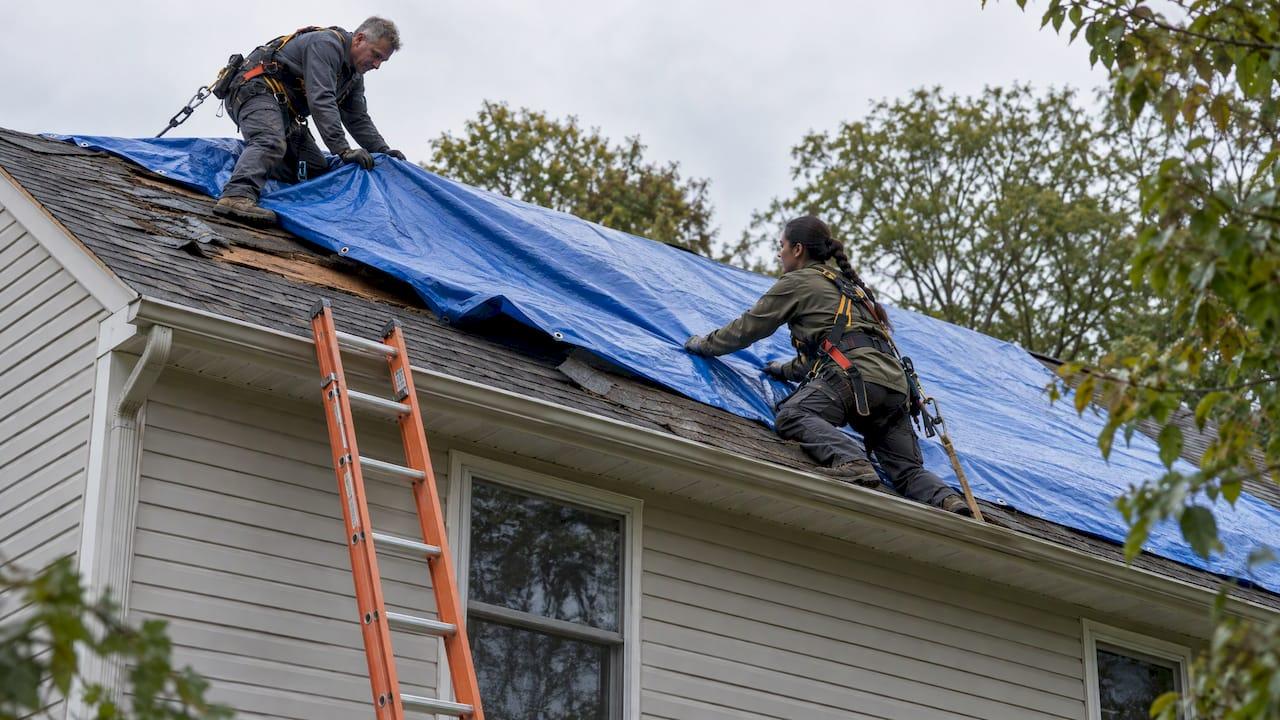
A practical framework worth remembering: three or more trades, required permits, structural work, or a timeline past two to three weeks are the clearest signals that a general contractor, not a handyman, is the right call. If storm damage, a roof leak, or water intrusion is involved, treat it as an emergency and call a contractor equipped for insurance restoration right away rather than waiting on a handyman’s schedule.
What a handyman typically does (and where the job ends)
Handymen earn their keep on the small, frequent repairs that keep a house running: a dripping faucet, a drywall patch after a doorknob dent, interior painting, swapping cabinet hardware, mounting a TV, or basic carpentry like shelving and trim work. These jobs rarely trigger permit requirements, and a good handyman can often finish one in an afternoon.

Handyman hourly rates commonly run between $50 and $125 per hour, depending on whether they work independently, through a franchise, or specialize in a niche trade. Many charge flat rates for repeatable jobs like fixture swaps and hourly rates with a minimum call-out fee for anything open-ended.
Licensing limits matter here. In most states, a handyman cannot legally perform work that requires a permit, and local licensing thresholds vary by state, so what is allowed in one county may not be allowed in the next. Watch for red flags that mean it is time to stop and call a licensed pro:
- Exposed or rerouted electrical wiring beyond a simple fixture swap.
- Any wall you suspect is load-bearing.
- A job the local building department says requires a permit.
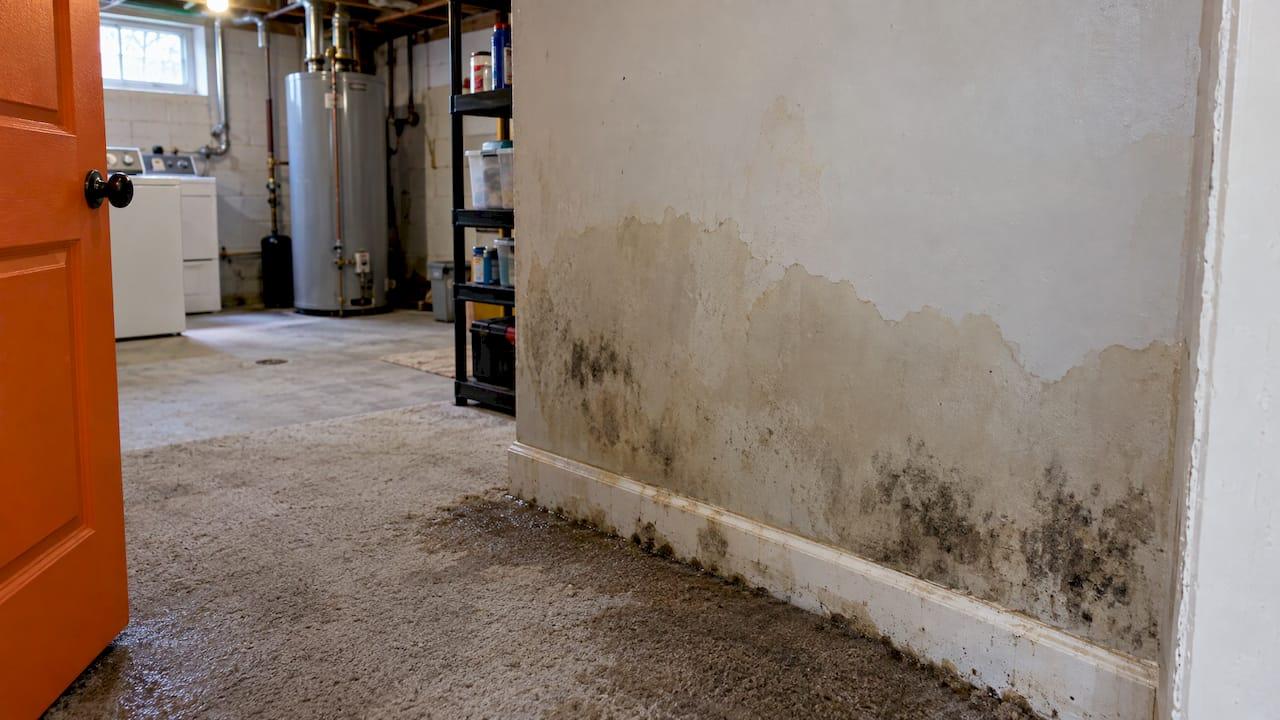
- Water damage that extends into framing or subflooring.
What a general contractor does and when you need one
A general contractor’s job is coordination: pulling permits, scheduling subcontractors, enforcing code compliance, and standing behind the finished work as a single point of accountability. That role is what separates a contractor from a tradesperson doing one task, and it is the core distinction regulators and insurers rely on when a project goes wrong.

Projects that almost always call for a general contractor include kitchen and bathroom remodels, home additions, whole-house renovations, structural repairs, and insurance restoration work after storm or water damage. These jobs touch framing, electrical, plumbing, and sometimes HVAC all at once, and a contractor is the one who keeps those trades from working around each other blindly.
That coordination carries a cost. General contractors commonly charge a 15% to 25% markup on top of labor and materials, covering overhead, profit, scheduling, and liability. In exchange, you get:
- One licensed party pulling permits and scheduling inspections.
- Subcontractor vetting and quality control across every trade.
- A single point of contact if something goes wrong mid-project.
- Faster problem solving when a surprise, like rotted framing behind drywall, shows up mid-job.
For multi-trade projects like kitchen remodels, bathroom renovations, or work involving plumbing and electrical coordination, that markup buys back hours you would otherwise spend managing the job yourself.
Costs, timelines and tradeoffs: handyman vs general contractor
Money is only half the comparison. Time is the other half, and most homeowners underestimate it.
| Factor | Handyman | General contractor |
|---|---|---|
| Hourly rate | $50 to $125 per hour | Markup of 15% to 25% on total project cost |
| Typical scope | Single-trade, non-permitted repairs | Multi-trade, permitted, structural work |
| Homeowner time investment | Minimal coordination | Project management handled by the GC |
| Self-manage alternative | Not usually applicable | 10 to 40+ hours of homeowner coordination if skipping a GC |
Say a mid-size remodel runs $40,000 in labor and materials. Choosing the wrong pro for permitted work also risks failed inspections, voided warranties, and complications when you sell the home.
Pro Tip: Before comparing bids, price your own time at your hourly wage and weigh it against the GC markup, that math often settles the decision faster than another phone call.
How to vet and hire safely, whichever pro you choose
The vetting steps are the same whether you are hiring a handyman for a weekend fix or a general contractor for a gut renovation.
- Verify the license number with your state or county licensing board.
- Request a certificate of insurance (COI) and confirm it directly with the insurer, not just the contractor.
- Ask for workers’ compensation proof so you are not liable if someone is hurt on your property.
- Check references and ask to see a portfolio or before-and-after photos of similar work.
- Get a written scope of work, itemized estimate, and payment schedule before any work begins.
- Confirm who is pulling permits and scheduling inspections, and get that commitment in writing.
- Ask directly: “Who pulls the permit, and when?”
- Ask: “Can I see your license and insurance certificate before we sign anything?”
- Red flag: a contractor who asks for full payment upfront or will not put the scope in writing.
Verifying insurance directly with the carrier and requesting “additional insured” status on larger jobs protects you if something goes sideways mid-project.
When splitting the job between both pros makes sense
A hybrid approach works well when the permitted, structural portion of a project is genuinely separate from the cosmetic finishing work. A general contractor handles framing, electrical rough-in, and the permit and inspection process. Once the final inspection clears, a handyman steps in for trim, paint touch-ups, or hardware installation.
- Put the split in writing so each pro knows exactly where their responsibility starts and ends.
- Confirm the general contractor’s warranty does not get voided by handyman work performed afterward.
- Schedule the handyman only after final inspection sign-off, never before, to avoid liability gaps.
This only works when both parties know the boundary line and neither assumes the other covered a step.
What 30 years in the trade teaches about this decision
An experienced tradesperson with decades in the business notes a common pattern: homeowners call a handyman first because it feels cheaper, then call a general contractor after a small repair uncovers rotted framing or wiring that needs a permit to fix correctly.
A homeowner who mentions “just a small roof leak” on the phone has, more than once, turned out to need structural framing repair once we got on the roof. The small jobs that stay small are the ones without hidden water damage or multiple trades involved.
Pro Tip: If a “simple” repair touches your roof, siding, or anything load-bearing, get a licensed contractor’s eyes on it before you call a handyman, catching a problem early is cheaper than fixing it twice.
A note from Chuck Hinkel
We built Magnum Home Services on the idea that the right pro for the job matters more than the lowest bid. Most of what crosses our desk, roofing, structural repairs, storm damage, started as something a homeowner thought was small. If your project needs a permit or touches more than one trade, we are glad to take a look before it gets more expensive to fix.
— Charles Hinkel
When a licensed general contractor is the right call
When your project crosses into permit territory, structural repair, or storm and insurance restoration, we handle it start to finish as Magnum Home Services, an Owens Corning Preferred Contractor with a 5.0 Google rating across 102 reviews. We coordinate licensed electrical, plumbing, and HVAC subcontractors so one contractor carries the project from permit to final inspection.

- Roofing, structural repairs, and storm damage restoration are our core specialties.
- Kitchen and bathroom remodels run through the same single point of accountability, no juggling separate trades yourself.
- For subcontractor coordination on larger renovation jobs, tools like the ones outlined in DesignFlow Build’s guide to coordination show how GCs keep multi-trade schedules on track.
If your next project needs a permit pulled or more than one trade coordinated, request a free inspection or estimate and we will tell you honestly whether it is a GC job or something simpler.
FAQ
Is a handyman the same as a contractor?
No. A handyman typically performs small, non-permitted repairs and maintenance, while a general contractor is licensed to pull permits, manage code compliance, and coordinate multiple subcontractors on larger projects. The two roles overlap only on the simplest jobs.
What is a fair price to pay a handyman per hour?
Handyman rates commonly fall between $50 and $125 per hour, depending on experience, specialty, and whether they work independently or through a franchise. Many also charge flat rates for repeatable jobs like fixture replacements, with a minimum fee to cover travel and setup.
Is a general contractor a handyman?
Not typically. A general contractor’s role centers on managing permits, subcontractors, and code compliance across multi-trade projects, which goes well beyond the single-trade repairs a handyman usually performs. Some licensed contractors also take on smaller jobs, but the license and scope of work set them apart.
Do I need an LLC as a handyman?
Licensing and business structure requirements for handymen vary significantly by state and even by county, so there is no single national answer. Local building departments or state contractor licensing boards are the right place to confirm the specific rules and dollar thresholds that apply where you work.
Sources
Recommended
Free, no-pressure inspections across Towson & Baltimore County.
Keep Reading
More from the blog
Free Estimate
Get your free, no-pressure roof estimate
Tell us what's going on and we'll call you within one business hour. Same-week appointments available across Baltimore County.
- BBB A+
- Owens Corning Preferred
- EPA Lead-Safe
- EIFS Certified
- Licensed & Bonded