
- BBB A+
- Owens Corning Preferred
- EPA Lead-Safe
- EIFS Certified
- Licensed & Bonded
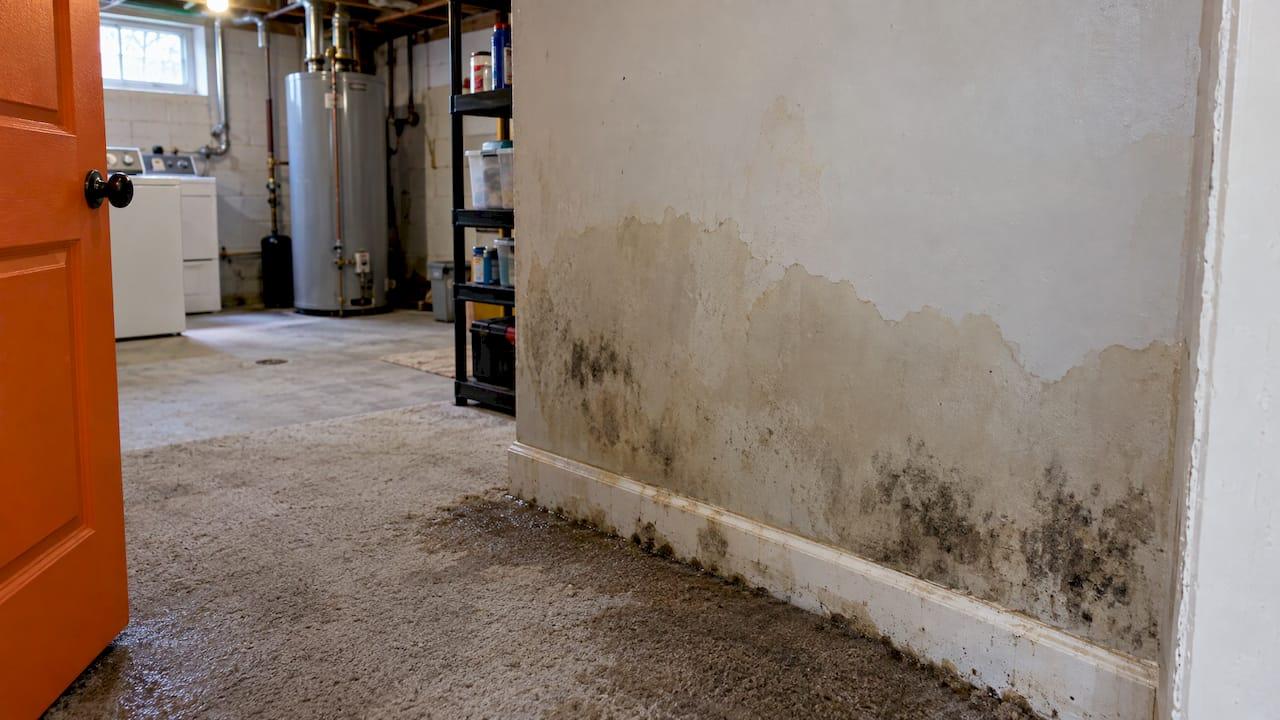
Mold After Water Damage: How to Stop It in the First 48 Hours

Mold does not have to follow water damage. Federal guidance says mold can begin growing on damp materials within 24 to 48 hours and keeps growing until the moisture source is gone, but it also says that materials dried inside that window usually stay mold-free. So the job after a leak is two things done fast: find and stop the water source, then dry everything it touched. At Magnum Home Services in Towson, we handle both sides of that, from the roof or pipe that let the water in to the drywall, framing and finishes it soaked.
TL;DR
- Mold needs moisture. Dry wet materials within 24 to 48 hours and mold usually does not grow.
- If a home or room stayed wet longer than that, assume mold may be present, even behind walls or under carpet.
- Fix the source first (roof, pipe, appliance, foundation), or drying will not last.
- Soap and water handles small hard-surface mold. Anything over about 10 square feet calls for a qualified remediation specialist.
- People with asthma, lung conditions or weakened immune systems should stay out of the cleanup.
Table of Contents
- Why mold follows water so quickly
- What to do in the first 48 hours
- Check for mold you cannot see
- Is mold from water damage harmful?
- Cleaning small areas of mold
- When the job is bigger than a bucket and a brush
- Fix the source or the mold returns
- Keep humidity in check afterward
- Insurance and documentation
- How we handle water damage in Towson and Baltimore County
- Our perspective
- FAQ
- Sources
Why mold follows water so quickly
Mold spores are everywhere. The EPA notes that it is impossible to remove all mold spores indoors, because some are always floating in the air and house dust. What stops them from becoming a colony is the absence of moisture. Give them a wet surface and they start feeding.
The CDC lists what they feed on: paper, cardboard, ceiling tiles, wood, dust, paint, wallpaper, insulation, drywall, carpet, fabric and upholstery. That is nearly everything in a finished room. A burst supply line behind a kitchen cabinet, a roof leak that has soaked attic insulation, or storm water pushing through a basement wall all put those materials in contact with water.
In the Baltimore area, humid summers make the window shorter. A damp wall cavity in July does not dry on its own, and neither does a basement after a nor’easter. The 24 to 48 hour guideline is the outer limit, not a target.
What to do in the first 48 hours
The CDC’s cleanup guidance and the EPA’s course material agree on the sequence. Here it is in the order that matters.
- Make it safe. If the water came from a flood or storm, the CDC says to wait until professionals confirm the home has no structural or electrical hazards before going back in. Turn off power to wet areas if you cannot do so safely, and do not run fans or dehumidifiers on a compromised circuit.
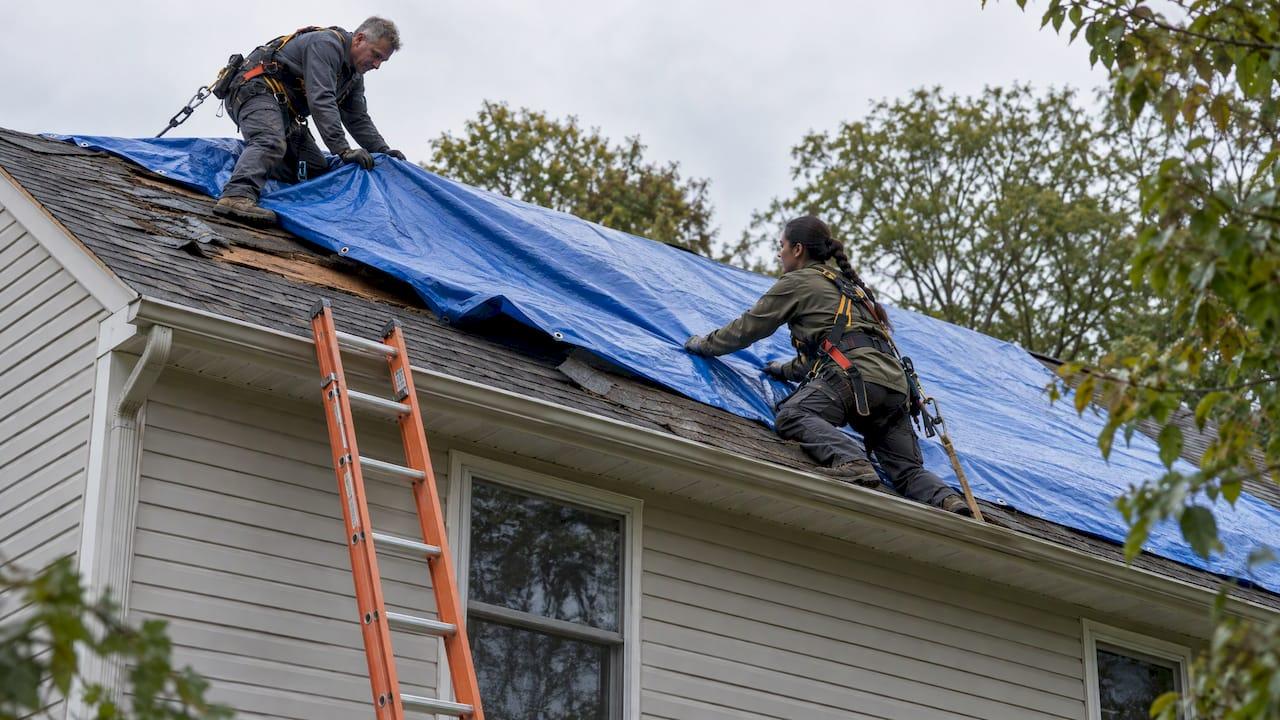
- Stop the source. A pipe can be shut off at the valve. A roof leak needs a tarp or repair. Foundation seepage needs grading or waterproofing work. Drying a room while water is still coming in is wasted effort.
- Document before you clean. The CDC advises contacting your insurance company and photographing the home and belongings before you start cleanup. Take wide shots and close-ups of stained ceilings, wet floors, damaged contents and the failed pipe, roof area or appliance.
- Remove standing water. A wet vacuum works while materials are still wet. The EPA warns that used on materials that have already dried, it may spread mold spores. Clean and dry the tank, hose and attachments afterward, since spores stick to them.
- Move air. Open doors and windows when weather allows, and add fans and dehumidifiers where electricity is safe. The American Thoracic Society lists fans, air conditioning and dehumidifiers among its prevention steps.
- Sort what can be saved. Wash and disinfect hard items. Items that cannot be cleaned and dried in the window are usually thrown away.
What gets thrown out
Porous materials hold moisture in tiny spaces that cleaning cannot reach. The EPA says ceiling tiles and carpet may have to be discarded if they become moldy, because complete removal can be difficult or impossible. The American Thoracic Society’s list of items that cannot be washed and disinfected includes mattresses, carpet and carpet pads, rugs, upholstered furniture, stuffed animals, pillows, foam rubber, books, wall coverings and most paper products. It also says drywall and insulation contaminated by sewage or flood water should come out.
Drywall is the item homeowners most often ask about. Whether a stained wall can be dried in place or has to be cut out depends on how long it stayed wet, what the water was and what is behind it. Our guide to drywall water damage repair walks through that decision.
Check for mold you cannot see
Mold does not always announce itself. The American Thoracic Society tells people to look for visible growth or water damage on walls and ceilings and a musty, earthy odor, and notes that mold may be present without being seen or smelled.
The CDC’s guidance for people with lung conditions is blunt: if a home was wet for more than 24 to 48 hours, assume there is mold, and know that it may be hidden under or behind carpet, cushions or walls. The EPA’s flooded-home guidance says the same for any home that could not be dried in that time.
Common places to check after a leak:
- Ceiling stains with a ring or brown edge, especially below an attic, bathroom or roof valley
- Baseboards and the lower wall where drywall meets the floor
- Behind and under kitchen and bathroom cabinets
- Carpet edges and the pad underneath
- Basement walls, stored cardboard boxes and the bottom of finished walls
- Attic sheathing and insulation under a known roof leak
Do you need a mold test?
Usually not. The CDC says sampling for mold is not usually recommended because results are hard to interpret, and any mold must be cleaned up and the moisture problem fixed regardless. The American College of Chest Physicians says visible mold growth alone is enough to warrant remediation and that testing is not necessary. If you suspect mold you cannot find, the American Thoracic Society points to a certified industrial hygienist, listed through the American Industrial Hygiene Association or your local health department.
Is mold from water damage harmful?
It can be. Not everyone reacts, but the Massachusetts state guide says anyone can react to inhaling or touching mold or spores. Common effects are a runny or itchy nose, sneezing, coughing, wheezing and burning eyes. The American Thoracic Society adds that early symptoms within hours of exposure can include a stuffy nose, irritated eyes, skin irritation, shortness of breath, cough and wheezing, while fever or a productive cough days or weeks later deserve medical attention.
Some people carry more risk. The American College of Chest Physicians names children, older adults, people with chronic lung disease, the immunocompromised, pregnant people and cleanup workers. The CDC and EPA say people with asthma or other breathing problems should stay away from moldy sites, and children and older adults should not take part in disaster cleanup. The NIEHS cleanup booklet adds that mold exposure can trigger an asthma attack, which if untreated can be fatal. If anyone in your household has asthma, a lung condition, a weakened immune system or is pregnant, arrange for someone else to do the cleanup, and call your doctor if symptoms appear.
Anyone doing cleanup should wear protection. The same chest physicians’ guidance recommends an N95 or P100 respirator to avoid inhaling particles.

Cleaning small areas of mold
For a small patch on a hard surface, the approach is simple. The CDC says mold can be removed from hard surfaces with soap and water, or a bleach solution of no more than 1 cup of household laundry bleach per gallon of water. The Massachusetts guide leans toward detergent and water and says harsh chemicals such as bleach are not recommended in most cases.
A few rules apply either way:
- Never mix bleach with ammonia. The Massachusetts guide warns it creates a poisonous gas.
- Do not paint or caulk over mold. The EPA says paint applied over mold is likely to peel.
- Dry the area within 24 to 48 hours with fans or a dehumidifier before any repair.
- Replace porous materials that have mold growing in them instead of scrubbing them.
The Connecticut Department of Public Health also sets a realistic goal: no visible mold, no mold smell, and mold reduced to the levels normally found in similar unaffected indoor areas. A totally mold-free home is not possible, since spores constantly arrive on clothing, shoes and pets.
When the job is bigger than a bucket and a brush
The line most guidance draws is size. The NIEHS cleanup booklet defines a small project as 10 square feet or less. For anything larger, it says the EPA, HUD and CDC all recommend a qualified mold assessment and remediation specialist. That is also the step to take if mold is inside walls, in an HVAC system, or came from sewage or flood water.

That specialist deals with the mold itself. The water damage around it is a separate job, and it is the one that decides whether mold comes back: wet framing, saturated drywall, damaged flooring, a failed roof section or a leaking foundation. We handle that side as one contractor. Our water damage restoration work covers drying out and restoring the home after a burst pipe, an appliance failure or storm water, and our crew also does the structural repairs and framing when wood has been compromised.
Fix the source or the mold returns
Drying a room does nothing if the next rain brings the water back. The CDC’s prevention list starts with fixing roof, wall and plumbing leaks. FEMA adds draining rainwater from gutters away from the house and sloping the ground away from the foundation.
Here is how the common sources break down in Baltimore County homes.
| Source of water | What to fix | Where to start |
|---|---|---|
| Roof leak after a storm | Failed shingles, flashing, or storm damage; wet attic insulation | Roof leak and ceiling repair |
| Ongoing leak during bad weather | Temporary protection until a permanent repair | Emergency roofing |
| Basement water after rain | Drainage, grading, interior drain tile, sump system | Wet basement after rain |
| Burst pipe or appliance failure | Repair the supply line, then dry and replace wet materials | Water damage restoration |
| Bathroom moisture and leaks | Sealed tub and sink areas, water-resistant rebuilds | Bathroom remodeling |
FEMA’s brochure also suggests rebuilding with water-resistant materials where flooding is a risk: tile, stone, deep-sealed concrete, galvanized or stainless hardware and waterproof wallboard. If your home is rebuilt after a loss, that is the time to make those choices.
Odor is a symptom, not the problem
A musty smell after water damage tells you moisture is still in the structure. Deodorizing before the dampness is solved only covers it. This explanation of why you should fix moisture before treating the odor covers the order of operations well: stop the leak, dry the space, then deal with whatever smell remains.
Keep humidity in check afterward
Once the structure is dry, keep it that way. The EPA says to keep indoor humidity below 60 percent, ideally between 30 and 50 percent, and that a humidity meter costs roughly $10 to $50 at a hardware store. The CDC’s page puts the ceiling at no higher than 50 percent through the day. Other habits from the same guidance:
- Run bathroom and kitchen exhaust fans that vent outside, and vent the clothes dryer outside
- Watch for condensation on windows, walls and pipes, a sign of high humidity
- Keep HVAC drip pans clean and unobstructed
- Cover bare dirt in a crawl space with plastic and ventilate it
- Have ducts cleaned if mold is suspected inside them or if duct insulation got wet
Insurance and documentation
Water damage and mold often turn into an insurance conversation. The CDC tells homeowners to contact their insurer and take pictures before cleanup begins. What your own policy covers depends on its wording and on the cause of the water, so read it or ask your agent. Good records help whatever the answer: dated photos of the damage, receipts for emergency drying and a written scope of repairs.
When a storm is the cause, our insurance restoration service documents the damage and works with the claim through to the restoration. Because we also repair the roof, the interior and the structure, one set of records covers the whole loss.
How we handle water damage in Towson and Baltimore County
Magnum Home Services is a licensed roofing and home services contractor in Towson, serving Baltimore City, Baltimore County and nearby Harford and Anne Arundel communities. Roofing is our core work, and we also handle water damage restoration, basement waterproofing and drain tile, structural repairs and framing, siding, gutters, painting and kitchen and bathroom remodeling. Electrical, plumbing and HVAC come through long-standing subcontractors, so one contractor carries the project from the source of the water to the finished repair.
If water has gotten in, start with our water damage restoration page. For storm-driven leaks, our storm and insurance restoration team is on call 24/7 for emergency response and tarping.

If the water came from the roof or the foundation, we can also take care of the fix that keeps it from returning, whether that is roof repair or waterproofing.
Our perspective
Most mold problems I see in homes begin as a leak someone thought was small. A stained ceiling spot, a damp corner in the basement, a bathroom wall that feels soft. The water was dealt with on the surface, the source was not, and a few weeks later the problem is bigger and the repair costs more.
After thirty-one years in this trade, my view is simple. Water is the real problem, and mold is what it leaves behind. That is why we start with where the water came from. On many of our calls, that is a roof: failed flashing, storm-damaged shingles, a valley that has been letting water in for a season. If you dry the ceiling and leave the roof, you will be back in the same spot after the next storm.
We built Magnum so a homeowner does not have to coordinate separate trades while a house is drying out. Our crew handles the roof, the structure, the drywall and the finishes, and our long-standing subcontractors cover plumbing, electrical and HVAC. Everyone works from the same photos and the same scope, which also helps when an insurance claim is involved.
If you have had water in your home, call early. The first two days decide how much of your home you keep.
Charles Hinkel
FAQ
How long does it take mold to grow after water damage?
Mold can begin growing on damp materials within 24 to 48 hours, according to FEMA, and it keeps growing until the moisture source is removed. Visible growth may take longer to appear. If materials stayed wet beyond two days, assume mold may be present, including behind walls and under flooring.
Does mold always grow after a water leak?
No. The EPA says that if wet or damp materials are dried within 24 to 48 hours after a leak or spill, mold will not grow in most cases. Speed matters most, followed by finding the source. Hidden leaks that stay damp for days are the ones that most often lead to mold.
Can I clean mold myself?
For 10 square feet or less on a hard surface, soap and water works, wearing an N95 respirator, gloves and eye protection. Do not do the cleanup if you have asthma, a lung condition, a weakened immune system or are pregnant. Larger areas, mold inside walls or HVAC systems, and sewage or flood contamination call for a qualified remediation specialist.
Should I paint over mold stains?
No. The EPA says paint applied over mold is likely to peel, and the mold underneath is still there. Clean or remove the affected material, fix the leak, confirm the area is dry, and only then repaint.
Will the smell go away once things dry?
Often it fades as the structure dries, but a lingering musty odor means moisture or growth remains somewhere, such as under flooring or inside a wall cavity. Track down and fix the moisture before trying to mask the smell.
Sources
- FEMA: Mold and Mildew brochure
- CDC: Mold
- EPA: A Brief Guide to Mold, Moisture and Your Home
- CDC: Homeowner’s and Renter’s Guide to Mold Cleanup (2015, PDF)
- CDC: Homeowner’s and Renter’s Guide to Mold Cleanup After Disasters
- EPA: Mold Course Chapter 4
- American Thoracic Society: Mold-Specific Concerns Associated with Water Damage
- CDC: Clinical Guidance for Asthma and Other Respiratory Conditions
- American College of Chest Physicians: Pulmonary Health Risks of Severe Water Damage Events
- EPA: Flooded Home guidance
- NIEHS: Mold Clean-up and Treatment
- OdorCare: Musty Basement Smell
Recommended
Free, no-pressure inspections across Towson & Baltimore County.
Keep Reading
More from the blog
Free Estimate
Get your free, no-pressure roof estimate
Tell us what's going on and we'll call you within one business hour. Same-week appointments available across Baltimore County.
- BBB A+
- Owens Corning Preferred
- EPA Lead-Safe
- EIFS Certified
- Licensed & Bonded