
Blog
Contractor Estimates That Reverse Denied Roof Claims for Homeowners
- BBB A+
- Owens Corning Preferred
- EPA Lead-Safe
- EIFS Certified
- Licensed & Bonded
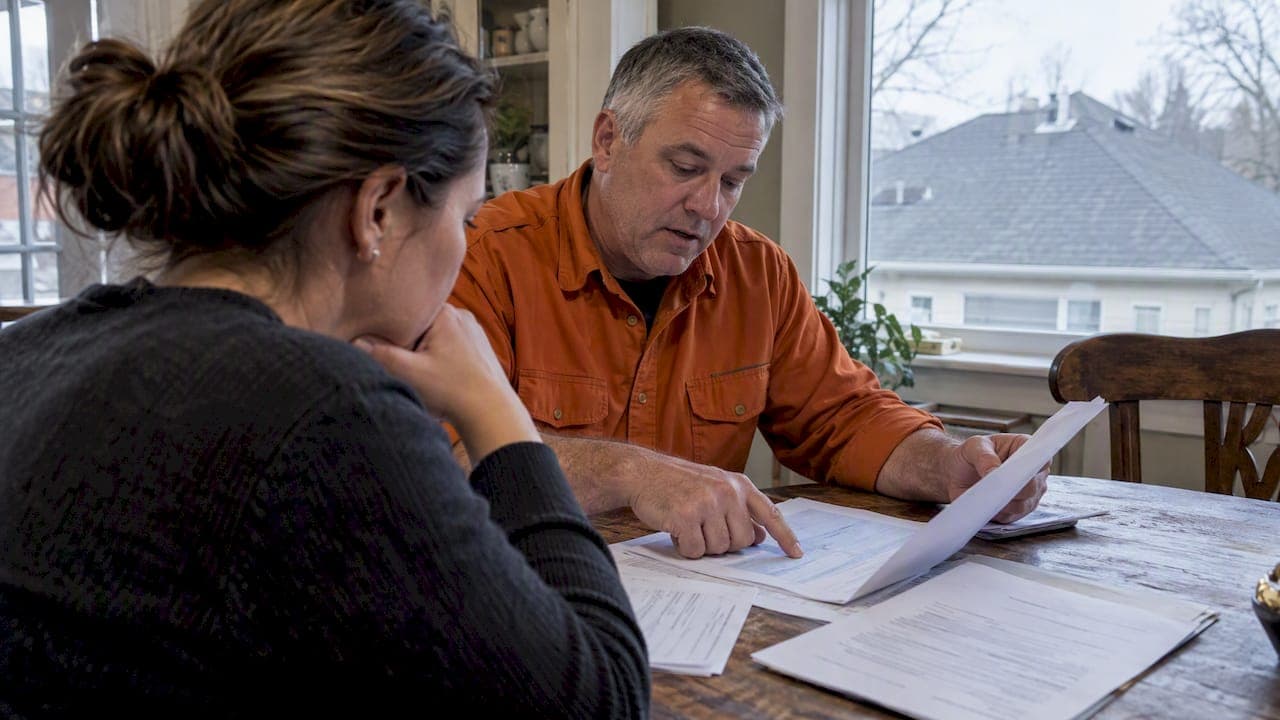
If your roof claim was denied, your first move is to preserve evidence, request the insurer’s full claim file, and file a written appeal. These three steps keep your coverage options open while you figure out what happened and why. Most denials fall into a handful of categories, and the right response depends on whether the insurer disputed the cause of damage, the coverage itself, or just the paperwork.
TL;DR:
- Most roof claim denials are due to wear-and-tear exclusions, insufficient documentation, late reporting, preexisting damage, or payout limits affecting coverage.
- Collect timestamped photos, a detailed contractor estimate, and weather data immediately after damage occurs to strengthen your appeal.
- Use the appraisal process only for disputes over repair costs, while mediation, DOI complaints, or lawsuits are appropriate depending on the insurer’s specific dispute.
- Appeal deadlines and state statute of limitations are strict; timely submission of all documentation and filings is essential to preserve your rights.
- Insurers are required to specify the policy provision cited in denial letters; matching this against your policy clarifies whether coverage is genuinely disputed or just paperwork issues.
Table of Contents
- 1. Common reasons insurers deny roof claims
- 2. Your step-by-step plan after a denial
- 3. Escalation paths: appraisal, mediation, DOI complaint, or lawsuit
- 4. How a roofing contractor builds a stronger appeal
- 5. What an appeal typically costs
- 6. Deadlines you cannot afford to miss
- 7. How to read your denial letter and policy declarations
- 8. Talking to your adjuster without hurting your claim
- 9. Documenting roof damage the right way
- Realistic timelines and how insurers tend to respond
- How Magnum Home Services supports a denied roof claim
- FAQ
- Sources
1. Common reasons insurers deny roof claims
Knowing why your claim was denied determines whether you need better documentation or a genuine coverage dispute. Insurers rarely deny roof claims arbitrarily. Most denials trace back to a specific policy provision or a documentation gap, and each type calls for a different response.
Wear-and-tear and maintenance exclusions are the most common denial reason. Many homeowner policies exclude damage from gradual deterioration, so an insurer who finds granule loss, cracked shingles, or deteriorated flashing may argue the roof failed from age rather than a covered event like wind or hail.
Coverage exclusions matter just as much. Some policies cover only actual cash value (ACV), which factors in depreciation, while others cover replacement cost value (RCV), which pays to replace the roof without a deduction for age. A denial that cites your coverage type, rather than the damage itself, usually signals a payout dispute rather than a flat refusal.
Beyond coverage structure, several practical issues drive denials:
- Insufficient documentation, where the homeowner lacks photos, dates, or a clear record of the damage event
- Delayed reporting, since most policies require prompt notice after discovering damage
- Preexisting damage, where the insurer argues the roof was already compromised before the claimed event
- Deductibles and policy limits, where the payout would fall below your deductible or exceed a coverage cap, prompting a partial or full denial
Roof claims have climbed sharply in recent years, and rising claim volumes have pushed insurers toward closer scrutiny of causation and maintenance history. That scrutiny is exactly why thorough, time-stamped documentation matters more now than it used to.
2. Your step-by-step plan after a denial
Acting quickly and methodically gives you the strongest position for an appeal or dispute. Once you have the denial letter in hand, work through these steps in order.
- Request the denial letter and your full claim file. Ask for the adjuster’s notes, inspection photos, and the specific policy language cited. Record the claim number, denial date, and the name of everyone you speak with.
- Document the damage thoroughly. Take dated photos and a video walkthrough of the roof, interior ceiling stains, and attic if accessible. Pull time-stamped weather data for the date of the alleged damage event, and ask neighbors with similar damage to share their own documentation if relevant.
- Get a licensed contractor’s written estimate. An itemized scope of loss, separate from the insurer’s figure, becomes your strongest piece of evidence. Save receipts for any emergency tarping or mitigation work you paid for out of pocket.
- Draft a written appeal. Cite the specific policy language you believe supports coverage, attach your contractor’s estimate, and reference the inspection photos directly. Keep the tone factual and specific rather than emotional.
- Track every deadline and keep a paper trail. Send your appeal by a method that confirms delivery, note the insurer’s response window, and follow up in writing if you hear nothing within that period.
Pro Tip: Save every document, including text messages and voicemail transcripts, in one dated folder labeled with your claim number. Insurers respond faster to homeowners who can produce a complete record on demand.
3. Escalation paths: appraisal, mediation, DOI complaint, or lawsuit
Choosing the right escalation path depends entirely on what the insurer actually disputed. Confusing these paths wastes time, so match your situation to the right option before you file anything.
Appraisal resolves disagreements about the amount of loss, not whether the policy covers the damage. If your insurer says the roof damage isn’t covered at all, appraisal won’t help since it only addresses cost disputes, not coverage decisions. Save appraisal for disputes over repair cost, not coverage denials.
Mediation or arbitration can resolve disputes depending on your policy language and state law, with costs and binding effect varying by jurisdiction.
A state Department of Insurance (DOI) complaint is often the most effective and least expensive first step. You can file a complaint with your state DOI at no cost, and the agency will forward it to your insurer for a required response.
Litigation should be a last resort, reserved for cases where the insurer appears to act in bad faith or ignores credible evidence.
| Path | Resolves | Typical cost | Best for |
|---|---|---|---|
| Appraisal | Amount of loss only | Shared appraiser fees | Disputed repair cost, not coverage |
| Mediation/arbitration | Varies by policy and state | Often shared, varies | Disputes where both sides want a faster resolution |
| DOI complaint | Insurer conduct and compliance | Free | Suspected unfair denial or stalling |
| Litigation | Coverage and damages | Attorney fees, often contingency | Bad-faith denials or large disputed sums |
4. How a roofing contractor builds a stronger appeal
A credible, itemized estimate carries more weight than a generic repair quote because it answers the insurer’s two biggest questions: what’s actually damaged and what it costs to fix correctly. A strong scope of loss breaks out materials, labor, and code-compliance line items such as updated flashing or ice-and-water shield required by current building codes, along with a clearly stated profit and overhead allowance.
Dated photos, mitigation receipts, and a line-item scope of loss work together to answer the two questions insurers care about most: was the work necessary, and is the price reasonable. A well-documented contractor estimate commonly resolves disagreements about repair amounts far faster than a back-and-forth with the adjuster alone.
A contractor’s estimate helps most when the dispute is about scope or cost. When the dispute is about coverage itself, a public adjuster or attorney may be the better next call.
- Keep photos and documents in one centralized folder, named by date and area of the roof
- Request a written, itemized estimate before any repair work begins, not after
Pro Tip: Ask your contractor to timestamp every photo automatically and to include GPS location data when the camera supports it. That metadata holds up far better under insurer scrutiny than a photo with no verifiable context.
5. What an appeal typically costs
Appealing a denied roof claim rarely requires a large upfront investment, but a few costs come up often enough to plan for. A licensed contractor’s written estimate is frequently provided at no charge as part of a standard inspection, though some contractors charge a modest fee that may be credited toward the job if you move forward.
If you pursue appraisal, each side typically pays its own appraiser, and together they select and split the cost of a third umpire if they disagree. Mediation or arbitration costs vary widely depending on your state and policy language, with some policies splitting fees evenly between homeowner and insurer.
Filing a complaint with your state DOI costs nothing. It remains one of the few escalation paths with no financial risk attached.
Litigation carries the highest potential cost, since attorney fees, expert witness costs, and court time can add up quickly, though many attorneys who handle insurance disputes work on contingency for larger claims. Before committing to any paid escalation path, weigh the disputed amount against the likely cost of pursuing it. A $3,000 disagreement rarely justifies a lawsuit, but a denial on a full roof replacement often does.

6. Deadlines you cannot afford to miss
Every policy sets its own internal appeal window, and missing it can forfeit your right to challenge the denial entirely. Most insurers require a written appeal or request for reconsideration within a specific timeframe from the denial letter, typically stated in your policy and denial letter. Check these documents directly rather than assuming a standard timeframe.
Separately, your state’s statute of limitations governs how long you have to file a lawsuit over a denied claim if it comes to that, and that clock often runs from the date of loss or the date of denial depending on the state.
If you plan to file a DOI complaint, do so as soon as you have your denial letter and claim file in hand. There’s no reason to wait, and earlier filing gives the agency more time to investigate before any internal appeal deadline closes. Set a calendar reminder the day you receive your denial letter, and work backward from every deadline you find in writing.
7. How to read your denial letter and policy declarations
The denial letter itself is the most important document in your file, and most homeowners skim past details that matter. Look first for the specific policy provision the insurer cites. Insurers are generally required to point to the exact exclusion or condition they believe applies, whether that’s a wear-and-tear clause, a late-reporting provision, or a coverage limit.
Next, pull your policy declarations page and match the cited provision against your actual coverage. Confirm whether you carry ACV or RCV coverage for roof claims specifically, since many policies apply different depreciation schedules to roofs than to the rest of the dwelling. Check your deductible and dwelling coverage limit as well, since a denial sometimes reflects a payout that would fall below your deductible rather than an outright coverage refusal.
If the denial letter references an inspection report or adjuster notes you haven’t seen, request them in writing along with your claim file. You cannot build an effective appeal around a provision you haven’t actually read in full context.
8. Talking to your adjuster without hurting your claim
How you communicate with the adjuster shapes how your file gets handled, sometimes more than the facts themselves. Stay factual, specific, and calm in every conversation, whether by phone or email.
Put key details in writing whenever possible, even if you discussed them by phone first, since a follow-up email creates a timestamped record the insurer cannot dispute later. Avoid accusatory language or threats, even when you’re frustrated. Adjusters document tone as well as substance, and a confrontational exchange rarely speeds up a review.
Ask direct questions rather than making demands: what specific evidence would change the outcome, what provision was cited, and what the appeal process requires. Request names, direct phone extensions, and written confirmation of any verbal commitment the adjuster makes. If the adjuster stops responding, that delay itself becomes relevant if you later file a DOI complaint.
9. Documenting roof damage the right way
Good documentation starts before a storm ever hits, not after. Photograph your roof’s condition each spring, including close-ups of shingles, flashing, and gutters, so you have a clear baseline if damage occurs later.
After a storm or any damage event, document immediately and thoroughly:
- Take wide shots of the entire roof from multiple angles, plus close-ups of specific damage
- Record a video walkthrough of the attic interior, looking for water stains or light coming through the roof deck
- Save any weather alerts, local news reports, or National Weather Service records tied to the storm date
- Photograph temporary repairs like tarps, along with the receipts for that work
Keep every image dated and organized by area of the roof, since a disorganized batch of photos is far less persuasive than a clearly labeled sequence that tells the story of what happened and when.
Realistic timelines and how insurers tend to respond
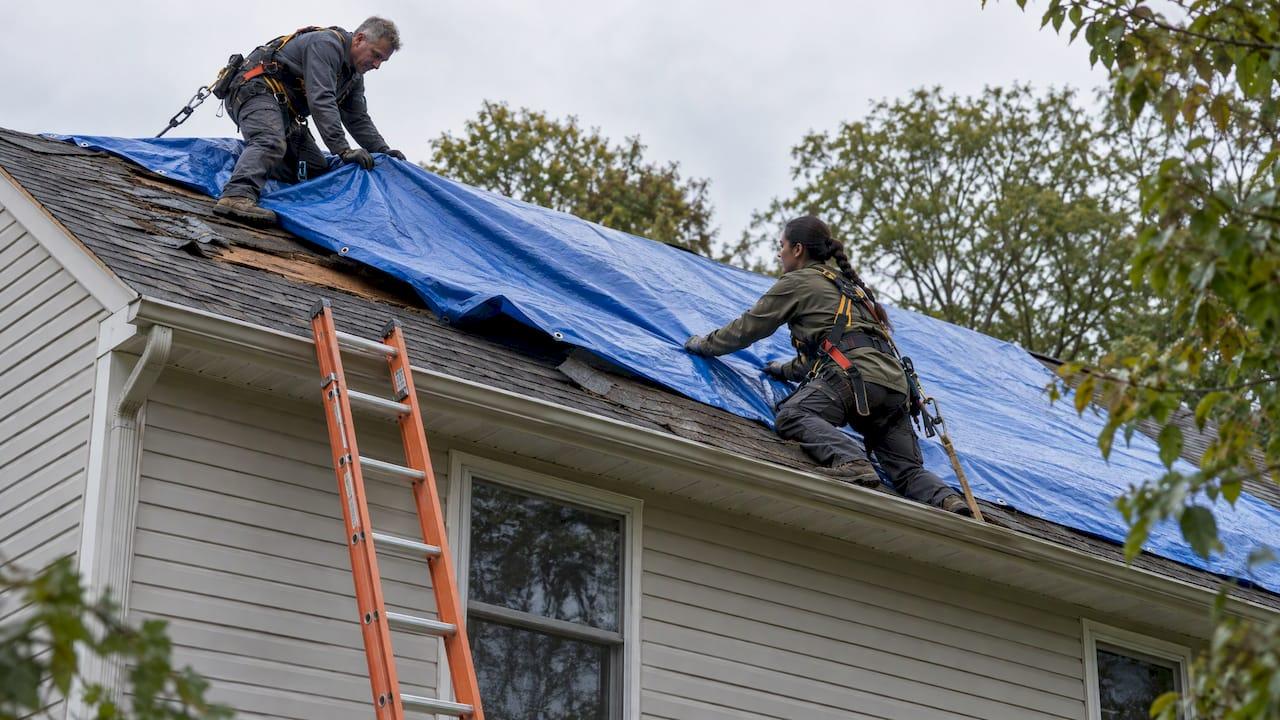
From our work on storm-response calls, most inspection-to-appeal timelines run two to six weeks, depending on how quickly the contractor estimate and insurer file come together. We perform emergency tarping immediately when a roof is actively leaking, without waiting for insurer approval, since further interior damage usually costs more than the tarp itself. Insurers respond better to factual, document-backed communication than to frustration, so keep every exchange specific and dated.
— Charles Hinkel
How Magnum Home Services supports a denied roof claim
We built our insurance restoration work around exactly this situation: a denied or underpaid roof claim that needs documentation an adjuster can’t easily dismiss.

Our storm-response inspections produce the itemized estimates and photo documentation that strengthen an appeal, and our emergency tarping stops further damage while your claim works through review. Before scheduling a visit, have your denial letter, claim number, and any existing photos ready so we can get straight to the scope of loss.
- Detailed, itemized estimates built for insurer review
- Storm-response inspections with dated photo documentation
- Emergency tarp and mitigation service when the roof is actively leaking
- Insurance restoration experience coordinating with adjusters on disputed claims
Reach out through our insurance restoration page to schedule an inspection and get a written estimate started.
FAQ
What to do if insurance denied a roof claim?
Request the denial letter and your full claim file in writing, then document the damage with dated photos and a contractor estimate. From there, file a written appeal citing specific policy language, or escalate to your state DOI if the denial seems unsupported.
What are common reasons for roof claim denials?
The most frequent reasons include wear-and-tear exclusions, insufficient documentation, late reporting, preexisting damage, and payouts that fall below the deductible. A well-documented contractor estimate often resolves disputes tied to documentation or cost disagreements.
What not to say to a roof insurance adjuster?
Avoid speculating about the cause of damage, admitting uncertainty about when damage occurred, or making accusatory statements. Stick to verified facts, dates, and documentation rather than guesses.
How to get a roof claim approved?
Submit a complete claim with dated photos, a detailed contractor estimate, and prompt notice after discovering damage. If denied, a written appeal backed by specific evidence and policy language, or a free DOI complaint, gives you the best chance at reversal.
Sources
Your state DOI accepts complaints directly and can require an insurer to respond, with no cost to you as the policyholder. The NAIC’s disaster claims guidance explains appraisal limits and scope-of-loss documentation in more detail, and NICB reporting offers useful context on rising roof claim volumes and the scrutiny that follows.
Recommended
Free, no-pressure inspections across Towson & Baltimore County.
Keep Reading
More from the blog
Free Estimate
Get your free, no-pressure roof estimate
Tell us what's going on and we'll call you within one business hour. Same-week appointments available across Baltimore County.
- BBB A+
- Owens Corning Preferred
- EPA Lead-Safe
- EIFS Certified
- Licensed & Bonded