
Blog
Homeowners: First 60 Minutes After a Burst Pipe to Protect Your Claim
- BBB A+
- Owens Corning Preferred
- EPA Lead-Safe
- EIFS Certified
- Licensed & Bonded
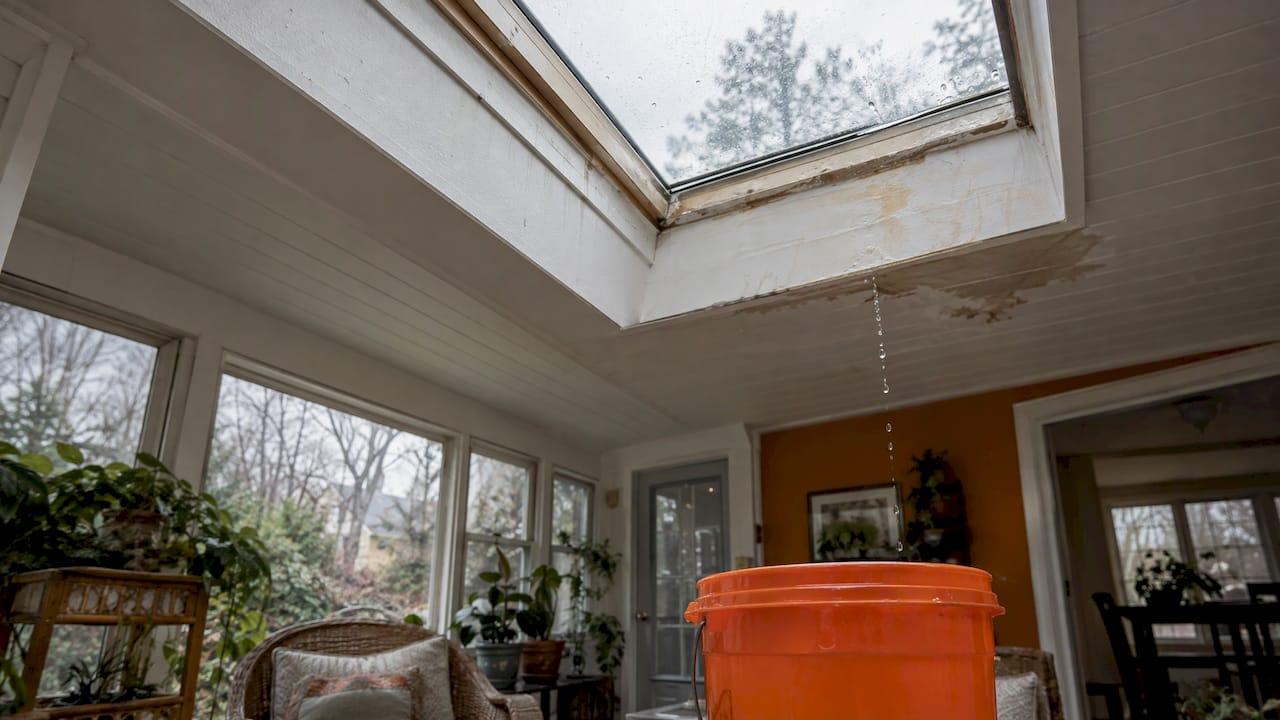
Shut off the water at the main valve if you can reach it safely, keep everyone away from wet electrical outlets or panels, and call an emergency plumber as soon as the leak is active. If you see standing water, wet walls or ceilings, or damage spreading across multiple rooms, bring in a restoration contractor too. Once it’s safe, start photographing everything for your insurance file.
TL;DR:
Standing water deeper than one inch or spreading across multiple rooms requires professional equipment and should not be handled DIY.
Contact a licensed plumber torepair or replace any damaged pipe sections before performing further repairs to prevent recurrent flooding.
Proper documentation during cleanup, including photographs, moisture logs, and receipts, is essential for insurance claims and smooth processing.
Restoration involves sequential extraction, structural drying with moisture meters, and controlled tear-out of non-salvageable materials, aiming for 24 to 48 hours of drying time.
Professional crews coordinate plumbing, electrical hazards, and insurance paperwork, reducing delays and ensuring thorough and verified drying.
Table of Contents
-
The first 60 minutes: safety, shutoff, and safe short-term mitigation
-
Inside a professional restoration job: extraction, drying, and repair
-
Protecting your claim: documentation, adjusters, and receipts
-
Fixing the cause: repairs and prevention that stop the next burst
The first 60 minutes: safety, shutoff, and safe short-term mitigation
Burst pipes turn a plumbing problem into an electrical one fast. Standing water near outlets, switches, or a wet breaker panel is a shock hazard, and the CDC advises shutting off power only from a dry location or by a qualified electrician, never by wading through water to reach a panel. If the panel sits in the flooded area, wait for an electrician instead of guessing.
Here’s the order that keeps people safe and limits damage:
-
Get everyone, including pets, out of the affected area.
-
Locate the main water shutoff valve (often near the water meter or where the line enters the home) and turn it clockwise until it stops.
-
If the leak is isolated to one fixture, such as a supply line under a sink, close that fixture’s local valve instead of the whole house.
-
Check for wet outlets, switch plates, or a damp electrical panel; if you find any, stay out and call an electrician before touching anything electrical.
-
Photograph the damage from several angles, with a phone timestamp visible, before moving anything.
-
Move furniture, rugs, and boxes to dry ground once photos are taken and it’s safe to do so.
-
Soak up small pools with towels or a wet-dry vac only after confirming the power is off or the outlets are dry.
Pro Tip: Keep a photo of your main shutoff valve’s location on your phone. In a real emergency, you won’t want to be searching for it.
Larger volumes of standing water, saturated carpet padding, or water that has traveled behind walls call for pumps and commercial dehumidifiers you likely don’t have on hand. That’s the point to stop DIY mitigation and wait for professional equipment.

DIY cleanup or call a professional: how to decide
Not every leak needs a restoration crew, but plenty do. A quick gut check helps separate the two.
-
Handle it yourself when the water is clean (a supply line or fresh water leak), the area is a single room, electricity is confirmed safe, and you can realistically dry the space within the 24 to 48 hour window that limits mold growth.
-
Call a plumber and a restoration contractor when there’s standing water more than an inch deep, water has reached a second room, or it has crept up walls or ceilings.
-
Treat any sewage backup, gray water, or water that sat for more than a day or two as contaminated and off-limits for DIY cleanup.
-
Bring in professionals immediately if you see sagging ceiling drywall, buckling floors, or any sign the structure itself is compromised.
-
Call for help sooner rather than later if anyone in the home has asthma, a compromised immune system, or another condition that makes mold exposure riskier.
Professional crews bring things a homeowner’s toolkit doesn’t: moisture mapping to find water hidden in walls and subfloors, truck-mounted extraction, documented drying logs, and containment and protective equipment for contaminated water. They also coordinate directly with the plumber fixing the source and, when needed, an electrician clearing the space as safe.
Inside a professional restoration job: extraction, drying, and repair
A restoration crew doesn’t just mop up. The work follows a sequence built around drying the structure completely, not just making it look dry.
-
Inspection and classification: the crew checks for electrical hazards, coordinates with a plumber to confirm the source is fully stopped, and classifies the water as clean, gray, or contaminated, since that determines what protective measures come next.
-
Extraction: submersible pumps handle deep standing water, while truck-mounted vacuums and wet-dry vacs pull water from carpet, padding, and hard flooring.
-
Structural drying: air movers and industrial dehumidifiers go to work on walls, subfloors, and framing, with technicians tracking progress using moisture meters rather than eyeballing it.
-
Cleaning and sanitizing: salvageable contents get cleaned and treated, while materials that can’t be saved, like soaked drywall or insulation, are cut out in a controlled tear-out.
-
Final verification: equipment doesn’t come out until moisture readings hit the target range, and the crew documents those readings before repairs begin.
The EPA’s drying guideline calls for wet materials to be dried within 24 to 48 hours where possible, since that window meaningfully lowers the odds of mold taking hold. That guideline is a target, not a guarantee. Concealed cavities, wet insulation, and subfloor material dry more slowly and often need longer monitoring or partial demolition before a space is truly dry, not just dry-looking.
Protecting your claim: documentation, adjusters, and receipts
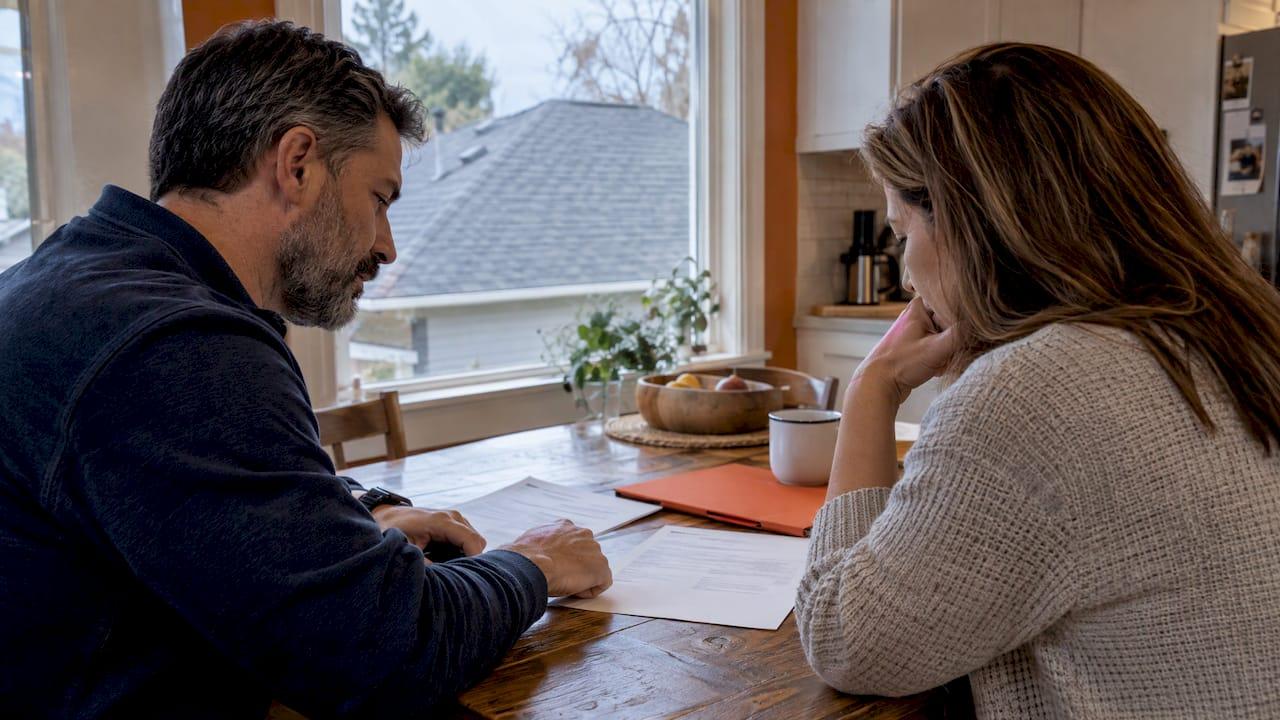
Insurance claims live or die on documentation, and the work you do in the first hours matters as much as the cleanup itself.
-
Photograph and video every affected area and item before you remove or discard anything, keeping timestamps visible where possible.
-
Contact your insurer as soon as the situation is stable, and ask directly whether an adjuster needs to inspect the property before you sign a mitigation or repair contract.
-
Keep every receipt tied to mitigation, from towels and fans you bought yourself to invoices from a restoration company.
-
Ask any contractor you hire for a written drying log, an itemized scope of work, and dated before-and-after photos, since FEMA guidance points to exactly this kind of documentation as the backbone of a smooth claim.
Coverage and timelines vary by policy and by the cause of the loss, so treat your adjuster’s answers as the final word on what’s covered rather than relying on general advice.
Fixing the cause: repairs and prevention that stop the next burst
Cleanup solves the symptom. The pipe itself is the problem, and it’s worth confirming a plumber replaced or repaired the failed section, addressed any corrosion, and corrected water pressure that’s running too high for the fittings in the wall.
-
Insulate pipes running through unheated spaces like crawl spaces, attics, and garages before cold weather sets in.
-
Keep a minimum heat level in those unheated areas during winter rather than letting them drop to outdoor temperatures.
-
Where possible, reroute or relocate pipes away from exterior walls, which are the coldest points in the structure.
-
Keep indoor humidity in the 30 to 50% range and make sure gutters and grading direct water away from the foundation.
Pro Tip: If a pipe has burst once from freezing, insulation alone may not be enough. Ask a licensed plumber whether rerouting that section is worth the cost.
Larger issues, like a home with a history of repeat bursts or a basement that floods every heavy rain, usually call for a bigger conversation about waterproofing or a plumbing upgrade rather than another round of patch repairs.

Why a full-service local contractor simplifies recovery
A burst pipe usually touches more than one trade: a plumber to stop the leak, an electrician to clear hazards, a restoration crew to dry the structure, and a contractor to handle repairs and insurance paperwork. Coordinating all of that yourself adds delay and room for miscommunication.
-
A local contractor founded in 2013 by an experienced tradesman with several decades in the field serves Maryland communities.
-
The company handles water damage restoration, structural repairs, and insurance restoration paperwork alongside its roofing work, with electrical and plumbing trades delivered through long-standing subcontractors.
-
It operates in various Maryland communities, serving residential and commercial clients.
-
The company holds industry certifications and maintains positive customer reviews.
Whoever you hire, ask about IICRC-aligned drying practices, sample drying logs, documented moisture goals, and direct experience working insurance restoration claims.
An editorial take on getting this right
Speed matters after a burst pipe, but documented, verified drying matters more. A room that looks dry after a day of fans running isn’t the same as a room a moisture meter confirms is dry, and skipping that verification is how mold shows up six weeks later. Insurers reward paper trails, not good intentions, so photograph first and dry thoroughly.
The homeowners who avoid rework and claim disputes are usually the ones who treated documentation as part of the emergency response, not an afterthought once the water was gone.
— Charles Hinkel
Getting help from Magnum Home Services after a burst pipe
Once the water is off and the damage is documented, the next call matters. Magnum Home Services handles emergency water damage restoration, coordinates the plumbing and electrical work a burst pipe often requires, and supports the insurance restoration paperwork that follows.

-
One contractor manages extraction, drying, structural repairs, and the insurance documentation instead of juggling separate crews.
-
The team serves Baltimore City, Baltimore County, and nearby Harford and Anne Arundel County communities.
-
Reach out for an assessment once the property is safe, so drying and repairs can start on a documented, insurer-ready basis.
Get in touch through the water damage restoration page to schedule an assessment.
Sources
-
Safety Guidelines: Reentering Your Flooded Home | Floods | CDC
-
Mold Remediation in Schools and Commercial Buildings Guide: Chapter 4 | US EPA
FAQ
How do you clean up after a burst pipe?
Shut off the water at the main or fixture valve, keep clear of any wet electrical areas, and photograph the damage before moving items. From there, extract standing water, dry the space using fans and a dehumidifier, and call a restoration contractor if the water covers more than one room or has reached the walls.
What dissolves calcium buildup in pipes?
Calcium and mineral scale inside pipes is typically treated with a descaling solution or a mild acid-based cleaner designed for plumbing, though the right approach depends on the pipe material and how much buildup exists. A licensed plumber can confirm which method won’t damage older or corroded pipes.
Does homeowners insurance cover a burst pipe?
Many homeowners policies cover sudden and accidental water damage from a burst pipe, but coverage depends on the specific policy and the cause of the failure, such as neglect or gradual leaks being excluded. Contact your insurer promptly and ask whether an adjuster should inspect the damage before you sign any mitigation or repair contract, per FEMA’s claims guidance.
How long does cleanup take after a pipe bursts?
A single-room leak with clean water and no structural damage can often be dried within the 24 to 48 hour window the EPA recommends to limit mold risk. Larger losses involving multiple rooms, wet drywall, or hidden moisture in framing can take several days to fully dry and additional time for repairs once drying is verified.
Recommended
Free, no-pressure inspections across Towson & Baltimore County.
Keep Reading
More from the blog
Free Estimate
Get your free, no-pressure roof estimate
Tell us what's going on and we'll call you within one business hour. Same-week appointments available across Baltimore County.
- BBB A+
- Owens Corning Preferred
- EPA Lead-Safe
- EIFS Certified
- Licensed & Bonded