
- BBB A+
- Owens Corning Preferred
- EPA Lead-Safe
- EIFS Certified
- Licensed & Bonded
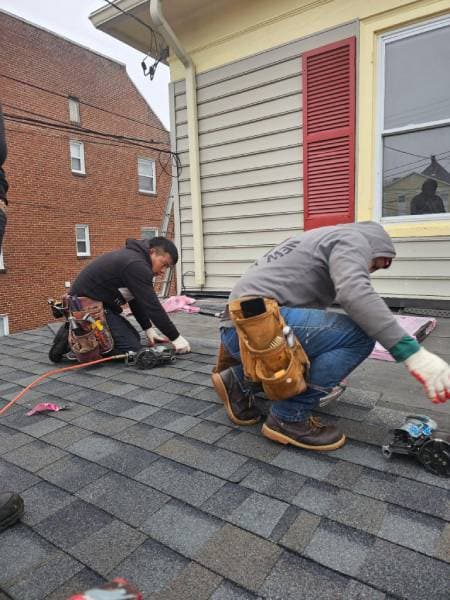
- Water actively flooding in or a roof that's dipping usually calls for help right away, not next week.
- When storm damage strips off the layers beneath your shingles, it tends to spread fast if it's left exposed.
- After a tree strike, a fire, or lightning, having a pro look over the structure is often the safest call.
A roof issue can turn from a nuisance into a crisis in no time. A slow drip is one thing. Water pouring through your ceiling at midnight is another. Knowing which is which saves you money and stress, because the longer you wait on a real emergency, the more damage piles up. This post breaks down five signs that mean you should call right now.
Not much sets off panic quite like water seeping through the ceiling. One minute, roofs are fine, then there's a stain spreading or a drip turning into a stream. Your first instinct is to grab a bucket, and that's enough. Other times, it's the opening act of something far worse. That's the moment when emergency roofing services come in. They're built for trouble that can't wait until a booked appointment, the kind where each passing hour piles on more damage. Spotting you've crossed into that territory is half the fight.
A few problems call for urgent roof repair that very day, while a few can wait a little. Telling them apart keeps a small problem from turning into a full Towson roofing crisis. Here are five signals that it's time to call.
Active and Uncontrolled Interior Flooding
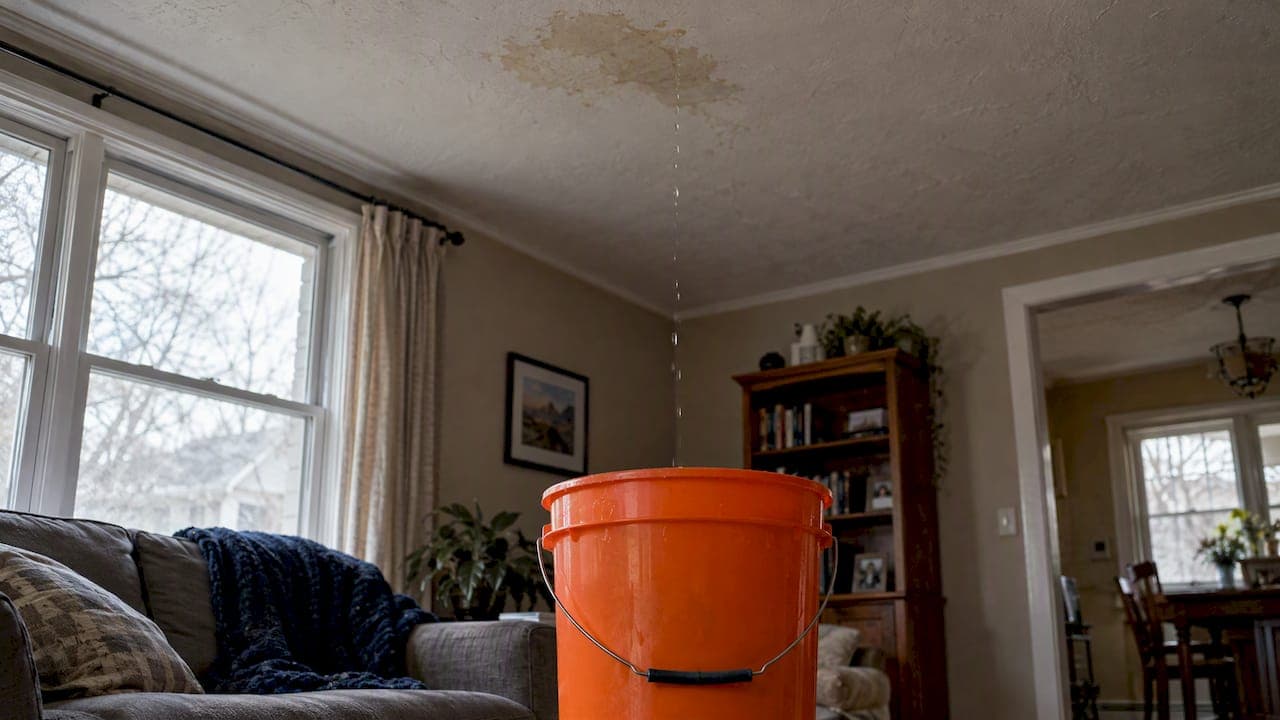
A few drips in a bucket are manageable; water running down your walls or pooling across the ceiling is not. Once the water outpaces what your buckets can handle, it's already working its way into your insulation and drywall. A ceiling that's sagging and heavy with water can give way without warning.
Move your stuff, stay out from under it, and call. This kind of problem doesn't slow down on its own.
Signs the leak is an emergency:
- Water is coming through faster than buckets can catch
- A ceiling that's bulging or sagging from the weight
- Stains creeping wider across the ceiling as you watch
- Water turning up around light fixtures or outlets
Structural Sagging or Imminent Collapse
A roofline should run straight. Spot a dip or a ripple along it, and the framing begins to give way. A lot of heavy snow or waterlogged decking can push it past its limit, and so can a solid impact. Of everything here, this is among the most dangerous.
Clear everyone out of that section of the house and call without delay. Don't sit around waiting to see if it worsens.
What a failing structure looks like:
- A visible dip or sag in the roofline
- Sagging that shows up after heavy snow or rain
- Cracking sounds or new gaps inside
- A ceiling or roof section that feels like it's dropping
Severe Storm Damage and Exposed Underlayment
Maryland storms can peel shingles right off. Once strong gusts tear off a large patch, the layers below, the underlayment and the wood decking, sit exposed to the elements. That layer is all that stands between the weather and the inside of your home. With it gone, every drop of rain finds its way in.
A tarp will buy you a little time, though the real repair has to be quick. Bare decking drinks up water fast.
When storm damage can't wait:
- The wind tore off large sections of shingles
- Bare underlayment or wood decking showing
- Flashing ripped loose around chimneys or vents
- Shingles scattered across the yard after a storm
Fallen Trees or Heavy Debris Impact
A tree or a heavy branch punching through the roof is an emergency, plain and simple. The hole might look minor from the inside, yet the blow can split rafters and throw the entire structure off balance. Meanwhile, whatever landed up there keeps letting water in and sapping the roof by the minute.
Keep everyone clear of the area and call for emergency help. Don't try to remove the tree or climb onto the roof yourself.
What to do after an impact:
- Stay out of rooms under the impact point. Don't attempt to move the tree or debris
- Note any sagging or cracking near the hit
- Get the perimeter secured by a pro fast
Fire or Lightning Strike Aftermath
Once a fire or lightning has hit, a roof can seem fine and still be seriously weakened. Heat saps the strength of the decking and framing even in spots with no burn marks. Lightning can crack wood and cause damage that may not be visible from the ground.
Let the fire department clear the scene first. Then have a roofer check the structure before anyone trusts it again.
Why you need an inspection after a fire:
- Heat can weaken the roof deck and framing
- Damage often hides what's still standing
- Lightning can crack wood without obvious signs
- A pro can tell what's safe and what's not
Why Waiting Costs You More
Each of these only deepens the longer you leave it. Water creeps further, wood starts to rot, and what was a small fix becomes a full replacement. It's cutting off the damage before it spreads. One fast call today tends to cost far less than the cleanup a week from now.
When a roofing emergency hits in the area, Magnum Home Services, LLC is available and runs 24/7 for exactly these situations. Trust your read on it. If your gut says you can't wait till morning, it probably can't.
Free, no-pressure inspections across Towson & Baltimore County.
Keep Reading
More from the blog
Free Estimate
Get your free, no-pressure roof estimate
Tell us what's going on and we'll call you within one business hour. Same-week appointments available across Baltimore County.
- BBB A+
- Owens Corning Preferred
- EPA Lead-Safe
- EIFS Certified
- Licensed & Bonded