
Emergency Roofing
How Emergency Roofing Services Prevent Long-Term Water Damage
- BBB A+
- Owens Corning Preferred
- EPA Lead-Safe
- EIFS Certified
- Licensed & Bonded
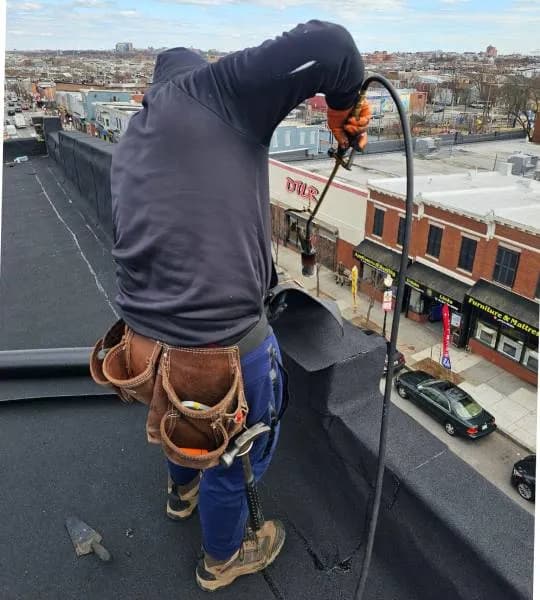
- Shutting down a leak quickly usually keeps water away from the wood that supports your roof and walls.
- Mold can take hold within a day or two, so fast drying tends to shut it down before it starts.
- Moving fast often protects your wallet, too, since insurers may look to you to limit the damage after a loss.
A leaking roof is a clock ticking down. The water doesn't quit at the ceiling; it keeps pushing into the wood, insulation, wiring, and everything you own. Stopping it fast is what separates a quick patch from tearing out half the house. This post walks through how quick action heads off the expensive, messy problems that follow a leak.
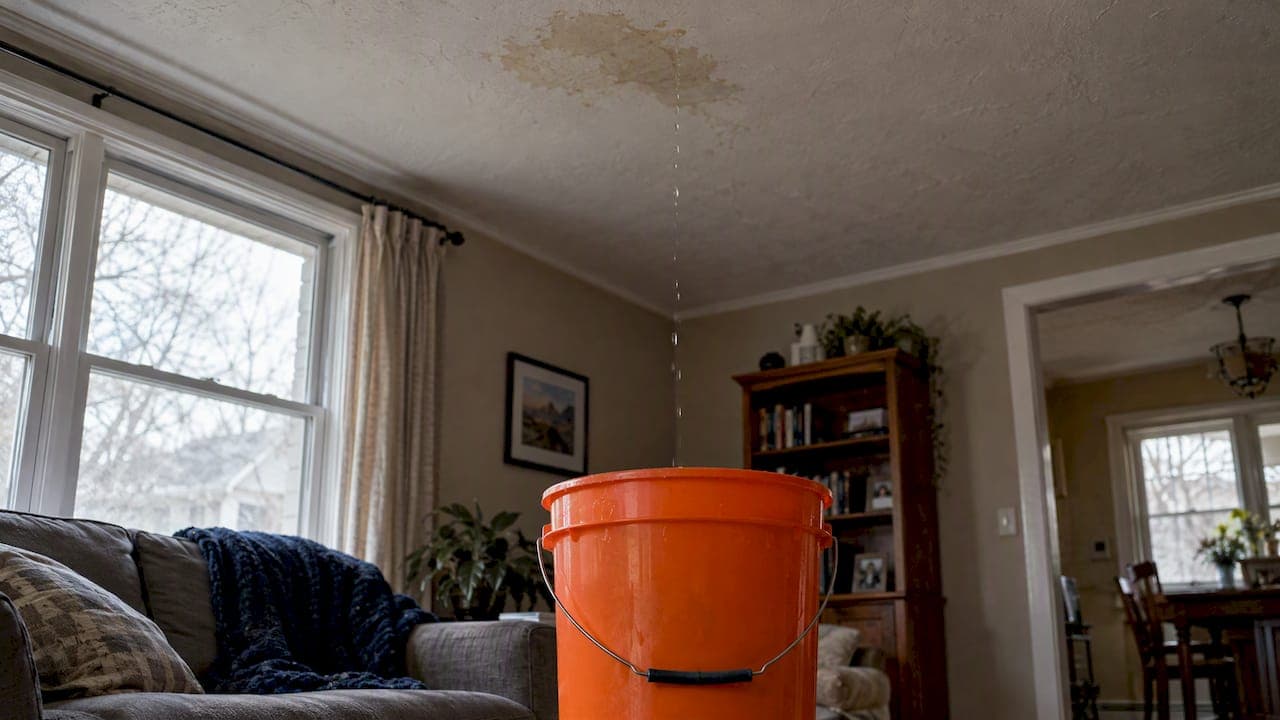
A roof leak rarely stays put. Following the easiest route down, water seeps into materials you can't even spot from the room underneath. That little ceiling stain today can turn into rotted framing and mold by next month. Time is the thing working against you.
By installing a tarp and stopping water intrusion within a few hours, emergency roofing services can break the chain of damage before it spreads. The faster the leaks are contained, the less of your home it gets to touch.
The aim is straightforward: to prevent water damage before it snowballs into something massive. Solid roof leak mitigation goes beyond patching a hole; it shields everything downstream of that hole. Here's what fast action actually saves.
Protecting Structural Integrity
The bones of your home are mostly wood, and wood and water don't mix. Keep moisture feeding into the rafters, joists, and wall framing, and that wood goes soft and rots as the weeks pass. Framing that's rotted loses its strength, and that turns dangerous and pricey in a hurry.
Stop the water early, and the wood stays dry and solid. Let it run, and you're looking at structural repairs.
What fast action protects:
- Roof rafters that hold the whole structure up
- Ceiling joists that can sag once they're soaked
- Wall framing hidden behind the drywall
- The decking of the rest of the roof sits on
Thwarting Mold and Mildew Growth
Mold doesn't need long. Hand it moisture and a warm enough room, and it can begin colonizing inside 24 to 48 hours. Once it's settled into your walls and insulation, pulling it back out is a pricey, drawn-out job, and it can touch the air your family breathes.
Rapid tarping and drying take away the moisture mold needs. No water, no outbreak.
Why the first two days matter:
- Mold can take hold within 24 to 48 hours
- Damp drywall and insulation are prime spots for it
- Hidden mold inside walls is hard to remove
- Drying things out fast starves it before it spreads
Preserving Electrical Systems and Fire Safety
Water and electricity are a bad mix in a house. Let a leak reach the conduit, a light fixture, or the breaker panel, and you've got more than a broken system; you've got a genuine safety risk. Water sitting in the wrong place can cause short circuits or create a fire hazard you never see coming.
Containing the leak keeps water away from the electrical components. That's a safety win, not just a repair one.
What water near wiring threatens:
- Light fixtures and ceiling boxes are filling with water
- Conduit and wiring runs inside the walls
- The breaker panel, which is dangerous when wet
- Outlets on walls where water is tracking down
Saving Interior Finishes and Assets
Past the structure, there's everything you actually live with. Drywall, insulation, and flooring all drink up water and then warp, stain, or fall apart. Worse still, the things you can't replace, photos, documents, equipment, a business inventory, can be wrecked by a single bad leak.
Quick containment holds the damage to the roof rather than the whole room. Your finishes and your belongings stay dry.
What gets protected inside:
- Drywall and ceilings that stain and crumble when wet
- Insulation that loses its job once it's soaked
- Flooring that warps, especially wood and laminate
- Personal or business items stored in the area
Mitigating Secondary Insurance Expenses
Here's a part people miss. Once a loss occurs, most policies look to the owner to take reasonable steps to prevent further damage from piling up. Ignore a leak you knew about and let it spread, and an insurer might balk at paying for the extra. Acting fast protects your claim as much as your house.
Getting a pro out quickly creates a record that you did the right thing. That matters when the claim gets reviewed.
Why fast action helps your claim:
- Most policies expect you to limit further damage
- Delaying can give an insurer room to deny part of it
- A documented emergency response supports your claim
- Mitigation now keeps the total loss smaller
Acting Today Beats a Remodel Tomorrow
The math is tough to argue with. A same-day tarp and repair run a fraction of what it takes to rebuild rotted framing, kill mold, redo wiring, and replace everything a leak destroyed. The damage quietly stacks up while you hold off, and the bill climbs right along with it. Moving at the first sign of a breach is the cheapest decision you'll make.
When a leak occurs in the area, Magnum Home Services, LLC is on call 24/7 to stop the water before it spreads. Treat a leaking roof for the clock that it is. The sooner it's contained, the less it costs you in every way.
Free, no-pressure inspections across Towson & Baltimore County.
Keep Reading
More from the blog
Free Estimate
Get your free, no-pressure roof estimate
Tell us what's going on and we'll call you within one business hour. Same-week appointments available across Baltimore County.
- BBB A+
- Owens Corning Preferred
- EPA Lead-Safe
- EIFS Certified
- Licensed & Bonded